Choose a decorative coating manufacturer by comparing a defined coating system for your intended use, then comparing price on the same supply basis. A finish sample and a price per pail are not enough to establish substrate suitability, required preparation, protective layers or the quantity needed. Ask each supplier to identify what is included, what remains conditional and which documents support the proposal.
For a project buyer, the output should be a technically suitable system, an agreed appearance reference and a workable application programme. For a distributor, add quantities by finish and pack format, label scope and a repeat-order reference. Keep unresolved requirements visible: an incomplete quotation should not win a price comparison simply because it omits part of the job.
Define the system before shortlisting a supplier
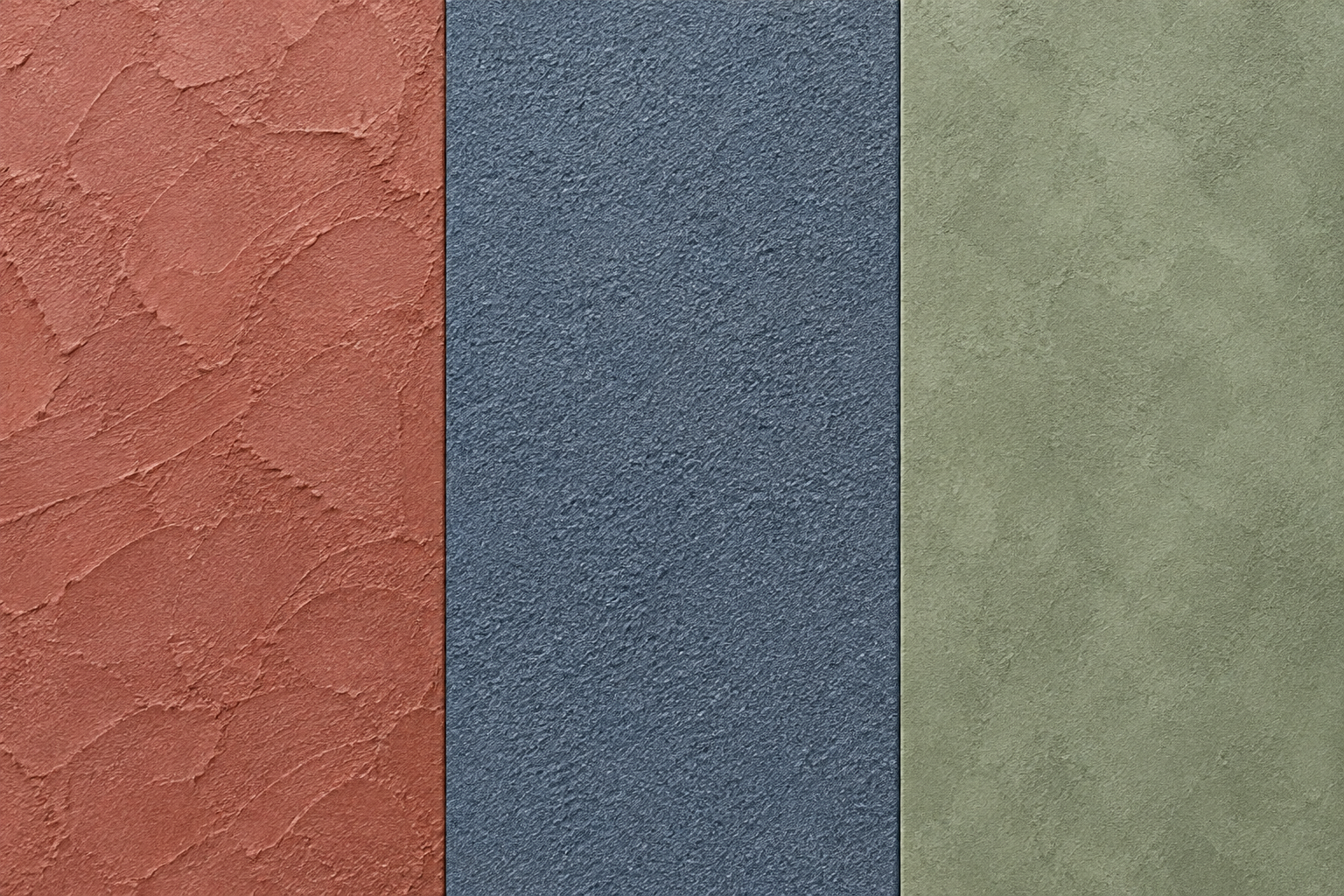
Start with the actual use: interior or exterior, substrate, existing surface condition, exposure and intended cleaning. Identify the relevant category in the Product Center and send finish references separately from technical requirements. A picture describes an appearance direction; it does not establish the suitable coating chemistry or substrate preparation.
Ask for the proposed preparation, primer, decorative layers and any protective finish, with product references and current technical sheets. Record exclusions as well as claimed suitability. The decorative wall coating primer guide explains how to keep preparation and finish connected when reviewing a proposed substitution.
For example, Novacolor’s Clear Finish Monocomponent technical sheet distinguishes permitted substrates and uses from excluded conditions. Its mineral-substrate use is limited to interiors, and it excludes constant water exposure. Those are that product’s limits, not Montelise specifications; they demonstrate why a general description such as “protective finish” cannot establish suitability for every project.
Put decorative coating manufacturer quotes on one basis
Use this proposed comparison worksheet before ranking prices. Leave unknown entries unresolved rather than assuming that two suppliers mean the same thing.
| Comparison row | Record for each proposal | Hold the comparison when |
|---|---|---|
| Intended use | Substrate, exposure and stated suitability | The quoted system does not address the actual surface or use |
| Complete system | Named preparation, primer, finish and protection; included quantities | A required layer is missing or its supply responsibility is unclear |
| Quantity basis | Consumption unit, layer count, stated conditions and pack fill | One quote is per coat and the other is for a completed system |
| Appearance reference | Physical sample identifier, revision and approval scope | A catalogue image is being treated as the approved finish |
| Application programme | Next-coat, protection and service-release requirements | A generic drying claim is used as the handover date |
| Commercial scope | Quantity by SKU, pack format, delivery basis and exclusions | Freight, packaging or minimum quantities are not comparable |
Do not convert kilograms to litres without the relevant product density. Likewise, a smooth-surface coverage figure is not automatically a textured-finish quantity. Novacolor’s cited sheet explicitly makes yield dependent on the product being protected; its values must not be reused as Montelise coverage. Use the textured wall paint coverage guide to build a quantity calculation from confirmed inputs.
Hypothetical decision: Proposal A includes primer and decorative material. Proposal B also includes a protective finish required by its proposed system. Hold the price ranking until A’s supplier confirms whether protection is required and who supplies it. If the systems meet different use requirements, reject the unsuitable option before comparing cost. This is a purchasing example, not a real quotation or a claim that either system is cheaper.
Compare the pack-rounded material total, not the pail price
Only compare price after both proposed systems satisfy the same intended use and approval requirements. For each layer, calculate the required material from confirmed consumption, then round up to the offered full-pack size. Add the extended line costs and divide by the same project area. This gives a material-purchase cost per square metre, not an installed or delivered cost.
Hypothetical worksheet: assume a 100 m² project and one colour. The quantities below already include the assumed layer count and agreed allowance; do not add them again. All quantities, pack sizes and prices are invented for the arithmetic and are not Montelise specifications or quotations. Both example systems require primer, decorative material and protection.
| Material line | A: needed / pack / pack price | A: packs / cost | B: needed / pack / pack price | B: packs / cost |
|---|---|---|---|---|
| Primer | 18 kg / 10 kg / USD 35 | 2 / USD 70 | 18 kg / 10 kg / USD 35 | 2 / USD 70 |
| Decorative material | 210 kg / 20 kg / USD 60 | 11 / USD 660 | 210 kg / 25 kg / USD 70 | 9 / USD 630 |
| Protective finish | 12 L / 5 L / USD 40 | 3 / USD 120 | 12 L / 5 L / USD 40 | 3 / USD 120 |
| Material-purchase total | Same 100 m² scope | USD 850 | Same 100 m² scope | USD 820 |
In this example, B has the higher decorative-material price per pail but the lower pack-rounded system total: USD 8.20/m² versus USD 8.50/m². A buys 220 kg of decorative material and B buys 225 kg, leaving arithmetic surpluses of 10 kg and 15 kg respectively. These are differences from the planned requirement, not guaranteed usable leftovers or return credits. Keep kg and L on separate lines; the currency amounts can be added without converting one product into another.
Check freight, taxes, preparation labour, application labour, tools and other exclusions separately on an identical basis before making a final purchasing decision. This example assumes one colour: for multiple colours or separately ordered SKUs, round each allocation independently and reconfirm the offered prices and minimum quantities. An unknown cost stays unresolved; it is not a zero. Do not choose a cheaper proposal if its system, appearance approval or delivery conditions do not meet the brief.
Approve appearance without approving every performance claim
Request an identified physical sample and agree what it is intended to approve. A colour shortlist, a project mock-up and a production release are separate decisions. Record the substrate, application method and finish revision with the reference, then use the texture wall coating sample guide for the detailed sign-off procedure.
Sto’s colour guidance explains that gloss, texture and lighting affect perceived colour and recommends physical samples and project mock-ups for final approval. Apply that as background for defining the review conditions, not as evidence of Montelise performance.
List separately any required adhesion, cleaning or durability evidence, including the intended test method and acceptance requirement agreed with the project parties. An attractive board cannot substantiate those claims. If the supplier changes the product, substrate preparation or application method, identify which prior approvals need to be repeated.
Connect the quotation to the application programme
Ask when each next activity is permitted under the selected system’s documented conditions. Include preparation, decorative coats, protection where specified, access for following trades and first cleaning. Do not replace these milestones with a single “fast drying” statement.
The decorative coating drying-time guide provides a worksheet for connecting those stages to an actual working schedule. Send expected site conditions and the required service date with the RFQ. If the programme cannot accommodate the system, resolve that before releasing the order rather than assuming a faster delivery will solve the application constraint.
Freeze the first-order and repeat-order scope
Specify quantity for each finish, colour and pack format. Ask the supplier to confirm minimum quantities and availability for that exact combination. A request for a small range is a planning choice, not evidence of a particular Montelise MOQ or stock position.
For OEM and private-label supply, separate formula or colour development from container, label and carton work. Use the wall coating packaging checklist to define the physical packaging approval, and the coating export documents checklist to align shipment documentation with the purchase order.
Carry the approved finish reference into the reorder record. For phased deliveries, the batch consistency guide connects batch identifiers to project areas and retained material. Agree the handling of changes or substitutions before a later shipment is treated as equivalent to the first one.
Send an RFQ with explicit release conditions
Send Montelise a concise brief containing:
- Intended use, substrate, existing condition and destination market.
- Finish reference and physical sample revision, with approval status.
- Proposed complete system and the technical documents still required.
- Area or order quantity, consumption assumptions and requested pack formats.
- Application milestones, site conditions and required service date.
- Quantity by finish and colour, label/carton scope and delivery requirements.
- Open technical or commercial questions, decision owner and target review date.
Ask the supplier to return the scope with confirmed, excluded and unresolved items clearly separated. Release the order only after the responsible parties have accepted suitability, appearance and commercial terms for that scope. Use Contact to request a sample route or quotation; product parameters and supply commitments require confirmation for the actual specification.