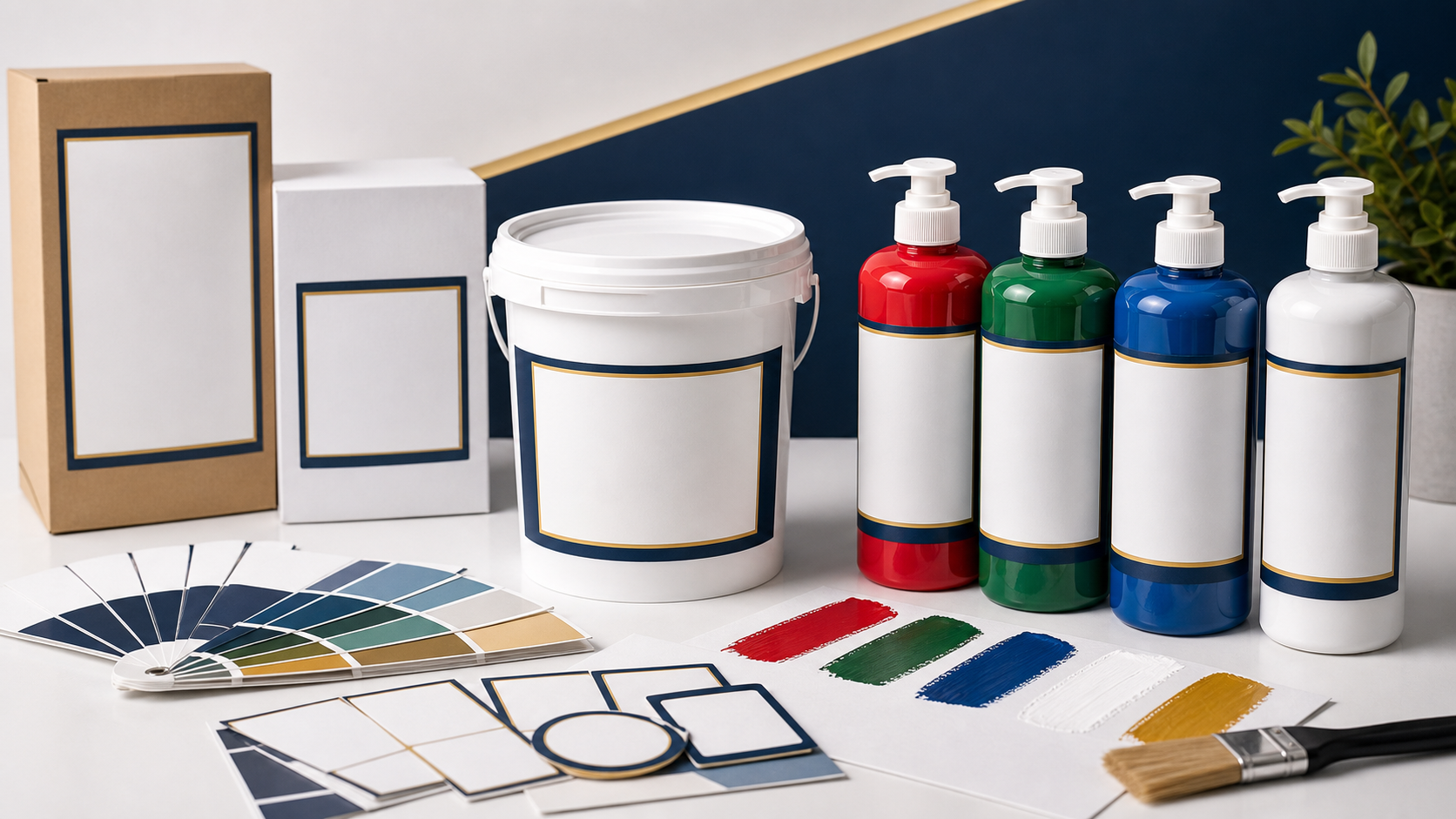
Choosing a private label acrylic paint manufacturer is not just a price comparison. For most art supply brands, retailers, distributors, and education suppliers, the real question is whether a factory can turn your product idea into a repeatable paint line: the same color, same texture, same bottle, same carton, and the same buying experience for your customers.
That sounds simple until the first sample round begins. A red may look right in the lab but dry too dark on paper. A bottle may look attractive but fail in a shipping carton. A low MOQ may help the first order but limit your packaging choices. The best supplier is the one that helps you see these details early, before a bulk order is already in motion.
Buyer quick links
- View acrylic paint product lines: Product Center
- Compare private label and custom options: OEM&ODM
- Send quantity, packaging, and market details: Contact / Get Quote
Start With the Product Line You Want to Build
Before asking for a quote, decide what role the acrylic paint will play in your catalog. A starter set for children, a studio bottle range, a mural paint bucket, and a specialty finish line are very different products.
For example, a retailer building an entry-level art set may care most about safe formulas, bright colors, clean labels, and shelf-ready packaging. A distributor selling to studios may focus more on pigment strength, viscosity, coverage, and larger pack sizes. A craft brand may need metallic, fluorescent, pearl, texture, or medium products that sit well next to its existing range.
A good OEM acrylic paint manufacturer should be able to discuss these use cases without pushing every buyer toward the same formula. Ask which existing product bases are already stable in production, which can be adjusted, and which requests require new development.
Planning a private label acrylic paint order?
Share your color list, packaging idea, quantity, and target market with Montelise. The team can suggest suitable product bases, sample steps, and packaging options before you commit to a bulk order.
Check Color Matching Like a Buyer, Not a Designer
Custom acrylic paint colors are one of the main reasons brands look for private label production. The mistake is treating color matching as a single approval step.
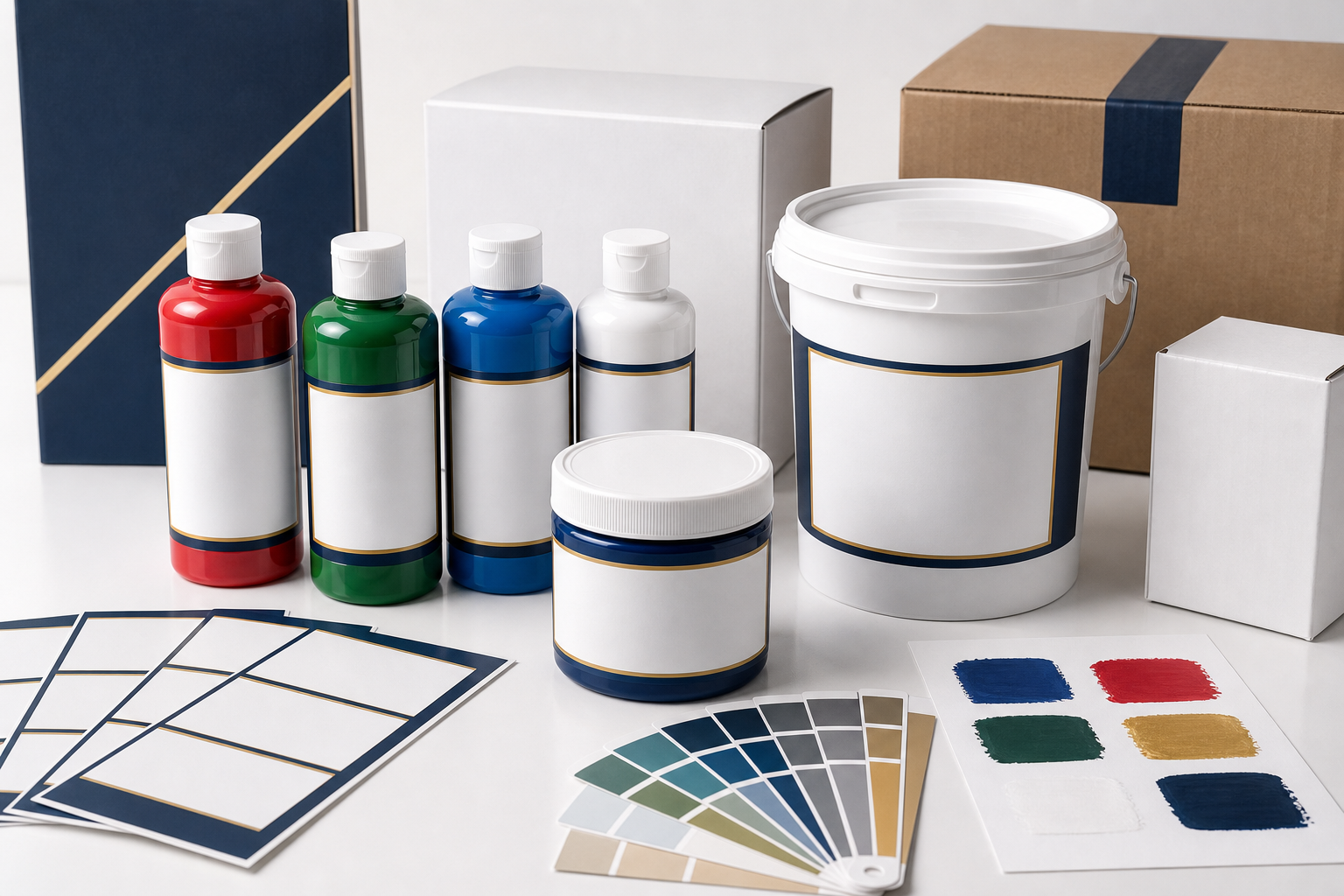
Color should be checked in the way your customers will actually use the paint. Test it wet and dry. Brush it on paper, canvas, wood, or the surface your market cares about. Look at opacity, gloss level, texture, and how the color appears after drying. If the paint will be sold in a set, compare neighboring colors together, not one by one.
If your team is still defining the approval route, this related guide on custom acrylic paint colors can help you turn a lab match into a repeatable production standard instead of a one-off sample comment.
When you speak with a factory, ask:
- Can you match colors from Pantone, physical samples, or an existing paint?
- How many sample rounds are included before bulk production?
- Will the approved sample be kept as the production reference?
- How is batch color difference controlled during repeat orders?
This is where an experienced private label acrylic paint manufacturer can save time. The goal is not only to match one sample, but to keep that match reliable when the order becomes 5,000 bottles, 20,000 tubes, or a container of bulk paint.
Packaging Should Be Decided Early
Acrylic paint packaging affects cost, MOQ, lead time, shipping safety, and shelf appeal. It should not be treated as the last design task.
Common options include small tubes, squeeze bottles, pump bottles, jars, buckets, boxed sets, display cartons, and custom label systems. Each format has its own practical questions. Can the cap handle repeated use? Will the label stay clean during filling? Is the bottle shape easy to pack? Does the carton protect the product during export shipping?
For private label buyers, packaging usually falls into three levels:
| Packaging Level | Best For | Typical Advantage |
|---|---|---|
| Standard bottle with custom label | First orders, market testing | Faster lead time and lower setup cost |
| Existing mold with custom color and label | Growing brands | Better shelf identity without full tooling |
| Fully customized packaging | Mature product lines | Stronger brand control and retail presentation |
If you are planning a first order, it is often smarter to start with a proven bottle or jar and invest more attention in label clarity, carton strength, and color assortment. Full custom packaging can come later when sales volume is easier to forecast.
For a deeper packaging comparison, see Acrylic Paint Packaging Options for Private Label Brands, especially if you are deciding between stock containers, custom labels, and retail-ready cartons.
If the label stage is likely to slow the order, use the private label acrylic paint label checklist to confirm pack size, barcode space, artwork files, and carton marks before bulk printing starts.
If the project needs a clearer first-order packaging decision between single SKUs, boxed sets, and refill packs, review private label acrylic paint packaging options before finalizing the MOQ structure.
Understand MOQ Beyond the Number
MOQ is not only a factory rule. It is usually connected to raw material purchasing, filling line setup, label printing, carton production, and how many colors or SKUs you want in one order.
A low acrylic paint MOQ may look attractive, but it can come with limits on bottle type, label finish, carton design, or color count. A higher MOQ may unlock better packaging choices and lower unit cost, but it also increases inventory pressure.
When comparing suppliers, ask for MOQ by component:
- MOQ per color
- MOQ per bottle or jar size
- MOQ for custom labels
- MOQ for printed cartons or color boxes
- MOQ for custom formulas or special finishes
This helps you build a realistic launch plan. For example, a 12-color set may need a different production structure than three high-volume single colors for school or studio supply.
Buyers that expect mixed-SKU replenishment should also review how a bulk acrylic paint supplier handles repeat-order planning, pack-size structure, and export packing before finalizing the first MOQ discussion.
Ask How Quality Is Controlled During Production
Quality control for acrylic paint should cover more than whether the product looks good in the sample photo. A serious bulk acrylic paint supplier should be able to explain what is checked before, during, and after filling.
Useful checks include viscosity, color difference, weight or volume, pH, odor, drying behavior, packaging seal, label position, carton strength, and final appearance. If your market has safety or labeling requirements, ask what documents can be provided and what testing must be arranged separately for your destination country.
Repeat orders matter as much as the first order. If your brand sells the same color set every season, customers will notice when one batch is thinner, duller, or packed differently. Ask the manufacturer how approved samples, formulas, and packaging files are stored for future production.
Compare Communication, Not Just Factory Capacity
Many factories can say they offer OEM and ODM service. Fewer can guide a buyer through the small decisions that make a product easier to sell.
Good communication looks practical. The supplier asks about your market, sales channel, target price, packaging preference, and first order plan. They point out when a request may raise MOQ or delay sampling. They explain options in plain language and keep sample feedback organized.
For international buyers, this matters because acrylic paint projects involve several moving parts at once: formula, color, container, label, carton, documentation, and freight. Slow or vague replies can turn a simple private label project into weeks of avoidable back-and-forth.
Supplier Checklist Before You Request a Bulk Quote
Use this short checklist before choosing a private label acrylic paint manufacturer:
- Product range fits your target customer, not only the factory catalog.
- Custom color matching process is clear.
- Packaging options match your launch stage.
- MOQ is explained by SKU, color, label, and carton.
- Sample approval standards are documented.
- Quality checks are suitable for repeat orders.
- Export packaging and documents can support your market.
- Communication is specific, timely, and practical.
If a supplier can answer these points clearly, you are much closer to a paint line that can be produced, shipped, stocked, and reordered with fewer surprises.
What to Send for a Faster Quote
Buyers usually receive a clearer reply when the first message includes the basic order details. Before contacting Montelise, prepare:
- Product type: bottle paint, jars, mural paint, kids paint, mediums, or special finishes
- Color count and reference colors
- Packaging size and label requirements
- Estimated quantity per SKU
- Destination market
- Preferred timeline for samples and bulk order
Buyers that still need a broader supplier-screening framework can also review the Acrylic Paint Manufacturer Guide before locking the first sample route, packaging family, and reorder file.
Final Thought
The right private label acrylic paint manufacturer should help you make better decisions before production starts. Price still matters, but consistency, packaging practicality, sample accuracy, and repeat order control usually decide whether the product becomes a stable part of your catalog.
Montelise supports acrylic paint OEM and ODM projects, including private label packaging, custom colors, and bulk supply for international buyers. If you are planning a new paint line or comparing packaging options, contact Montelise with your product interest, quantity, packaging idea, and target market to request samples or a bulk quote.
FAQ
What information should I prepare before contacting an acrylic paint OEM manufacturer?
Prepare your target market, product type, bottle or jar size, color list, packaging idea, expected quantity, and any safety or labeling requirements. If you already have a reference sample, send photos and usage notes.
Can I start with standard packaging and add custom packaging later?
Yes. Many brands begin with standard containers and custom labels to reduce setup time. Once sales volume becomes stable, they can move toward custom bottles, cartons, or full retail set packaging.
How long does private label acrylic paint sampling usually take?
Sampling time depends on formula, color count, and packaging requirements. A simple label project is usually faster than a custom formula or special finish range. Confirm timing with the supplier before setting a launch date.
What is more important, MOQ or unit price?
Both matter, but they should be reviewed together. A very low MOQ can limit packaging and raise unit cost. A higher MOQ may improve cost but create inventory risk. The best choice depends on your sales channel and first order plan.