When buyers search for a bulk acrylic paint supplier, they usually already know the product category. The real question is whether the supplier can support repeat orders without creating problems in color consistency, packaging, MOQ planning, or export handling.
That is why the first conversation should go beyond unit price. A supplier may quote quickly, but a useful quote also needs the right pack size, realistic MOQ by SKU, workable sample steps, and packaging that can survive shipping to your market. For distributors, retail chains, and importers, those details decide whether the order is easy to reorder six months later.
Buyer quick links
- View acrylic paint product lines: Product Center
- Compare private label and custom options: OEM&ODM
- Send quantity, packaging, and market details: Contact / Get Quote
Start With the Sales Channel, Not Just the Paint
Not every bulk order follows the same logic. A distributor supplying art stores may need steady replenishment of core colors in medium bottle sizes. A school supplier may care more about safe everyday formulas, compact packs, and reliable carton counts. A private label buyer may want standard paint bases first, then custom labels or color boxes after the first order proves itself.
Before comparing suppliers, clarify how the paint will be sold:
- Single colors or sets
- Retail shelf packs or plain export cartons
- Small bottles, jars, tubes, or larger mural and studio packs
- Basic everyday colors or special finishes
- Stock replenishment model or first market test order
This matters because the right bulk acrylic paint supplier should be able to recommend a practical supply structure, not just send a catalog PDF.
Compare Pack Sizes and Packaging Early
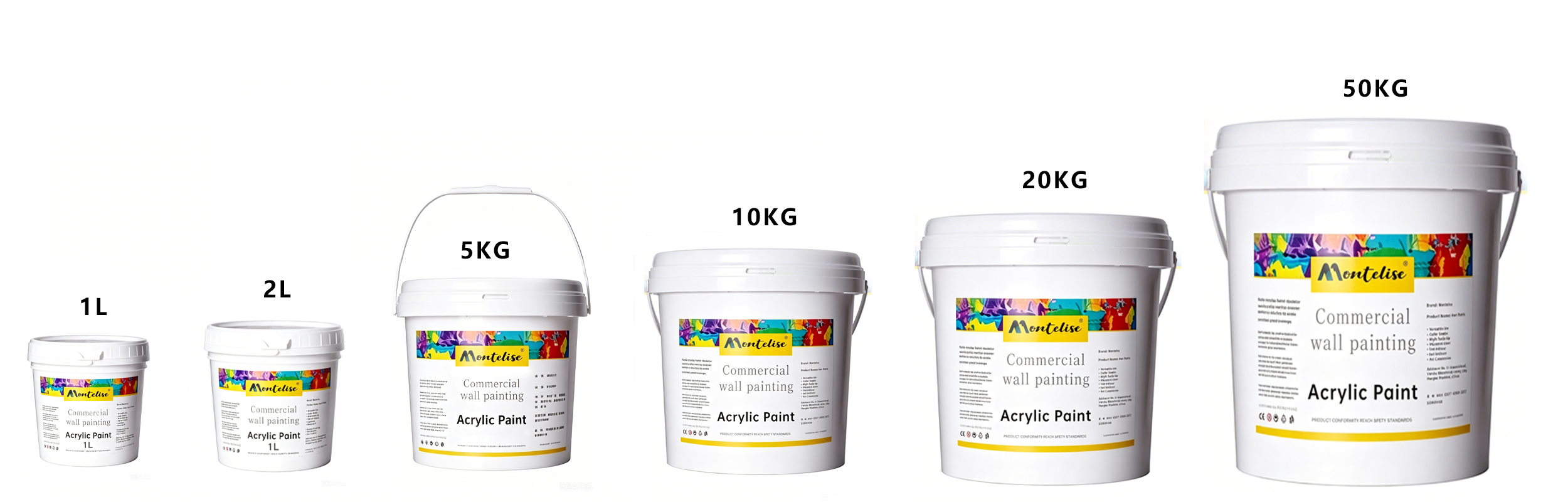
Packaging is often where a promising quote becomes complicated. The same acrylic paint can behave very differently as a 60 ml bottle, a jar set, or a larger bulk pack for studio or mural use. Packaging affects filling efficiency, carton structure, shipping cost, shelf presentation, and MOQ.
For first bulk orders, many buyers are better served by proven packaging formats instead of trying to customize every part at once. Standard containers with custom labels are usually easier to launch than a fully new packaging system.
If your team is still comparing those routes, Acrylic Paint Packaging Options for Private Label Brands breaks down when stock bottles, jars, cartons, and custom packaging become practical.
Use this simple comparison when discussing options:
| Packaging Route | Best Fit | Main Trade-Off |
|---|---|---|
| Standard bottle or jar with stock packaging | First orders and fast replenishment | Less brand differentiation |
| Standard container with custom label or carton | Growing private label programs | More setup detail, still manageable MOQ |
| Fully custom package system | Mature retail lines | Higher setup pressure and more approval steps |
Ask each supplier:
- Which pack sizes are already stable in production?
- Which containers support lower-risk first orders?
- What packaging parts change MOQ: bottle, label, carton, color box, or display set?
- Which packaging choices may affect shipping efficiency?
Planning a bulk acrylic paint order?
Share your target pack sizes, quantity by SKU, label idea, and destination market with Montelise. The team can suggest suitable product bases, packaging routes, and sampling steps before you commit to a bulk order.
Ask About MOQ by SKU, Color, and Packaging Part
Many buyers ask only one MOQ question: “What is your minimum order?” That is usually too broad to plan a workable order.
For a bulk acrylic paint supplier, MOQ may be affected by several layers:
- MOQ per color
- MOQ per bottle, jar, or bucket size
- MOQ for custom labels
- MOQ for printed cartons or color boxes
- MOQ for special finishes or new formulas
- MOQ for mixed sets versus repeat single-color orders
This is especially important for export buyers who want to test a market without overbuying. A low total MOQ may still come with limits on the number of colors, packaging variations, or printed components you can include.
A practical supplier should help you simplify the first order if needed. That may mean fewer SKUs, standard containers, or a tighter core-color list before expanding the line.
That planning becomes easier when your color program is realistic. This guide to custom acrylic paint colors is useful if you need to balance SKU count with sample approval speed.
Check Sample Handling Before You Talk About Full Volume
Sampling is where supply risk becomes visible. A useful sample process should confirm more than color appearance. It should also test whether the supplier understands your packaging direction, quantity structure, and quality expectations.
For bulk projects, ask what the sample is meant to approve:
- Formula base
- Wet and dry color appearance
- Opacity and brush feel
- Bottle, jar, or cap suitability
- Label size and visual layout
- Carton fit for shipping
If the supplier cannot explain what the sample is confirming, the bulk order may still be too undefined. This is also where buyers should confirm whether the approved sample will be kept as the reference for repeat production.
Review Repeat-Order Control, Not Only First-Order Readiness
The first order can look fine and still become a problem later. Distributors and importers usually need the same product again, sometimes in a different shipment mix, and buyers notice quickly when the second batch looks thinner, darker, or packed differently.
Ask how repeat orders are controlled:
- How are approved samples stored?
- How are formulas and packaging files tracked?
- What in-process checks are used during filling?
- How are label position, seal condition, and carton quality checked?
- How are color difference and viscosity handled across repeat batches?
A good bulk acrylic paint supplier should be able to explain these points in plain language. You do not need a sales brochure. You need confidence that the order can be repeated with fewer surprises.
Buyers already moving into replenishment mode can also use Acrylic Paint Batch Consistency to keep retained samples, pack sizes, and label versions tied together before the next production run.
Confirm Export Packing and Market Requirements Early
Export buying adds another layer of planning. The goal is not to assume a supplier can provide every document for every country. The goal is to confirm early what can be supported, what must be arranged separately, and what packaging details matter for your destination market.
For buyers mixing OEM and distribution channels, it also helps to compare this checklist with how to choose a private label acrylic paint manufacturer so the first bulk order does not lock you into the wrong packaging or approval process.
Useful questions include:
- What outer carton options are available for export packing?
- How are mixed SKUs packed and counted?
- Can the supplier explain available product and shipment documents for your market?
- What labeling details should be confirmed before printing?
- What lead-time risks come from custom cartons or last-minute artwork changes?
This section matters for buyers sourcing under private label, but it is just as important for plain bulk supply. A shipping delay caused by packaging changes or incomplete artwork approval can cost more than a small difference in paint price.
Supplier Checklist Before You Request a Quote
Use this short checklist when comparing a bulk acrylic paint supplier:
- Product range matches your sales channel.
- Pack sizes are practical for the way you sell.
- MOQ is explained by SKU, color, and packaging part.
- Sampling is tied to real approval points.
- Repeat-order controls are explained clearly.
- Export packing and market documentation questions are answered early.
- Communication is specific enough to support a real purchase plan.
If the supplier can answer these points with practical detail, you are much closer to a workable order structure.
What to Send for a Faster RFQ
Buyers usually get a clearer reply when the first inquiry already includes the key commercial details.
What to send for a faster quote
- Product type: bottles, jars, larger bulk packs, kids paint, mural paint, or special finishes
- Pack size or container preference
- Color count and any reference colors
- Estimated quantity per SKU
- Packaging and label requirements
- Destination market
- Target sample timing and bulk order timing
If the next step is still manufacturer screening rather than quote comparison, start with the Acrylic Paint Manufacturer Guide to narrow sample structure, pack family, and MOQ dependencies before comparing bulk offers.
Final Thought
The best bulk acrylic paint supplier is not always the one with the shortest quote. It is the supplier that helps you build a realistic order: the right pack size, a workable MOQ, stable repeat quality, and packaging that fits both your market and your shipping plan.
Montelise supports acrylic paint OEM and ODM projects for international buyers, including private label options, custom colors, packaging coordination, and bulk supply. If you are comparing suppliers for a new order or repeat program, contact Montelise with your product interest, quantity plan, packaging idea, and target market to request samples or a quote.
FAQ
What should I ask a bulk acrylic paint supplier before the first order?
Ask about pack sizes, MOQ by SKU, sample scope, repeat-order control, packaging options, and export packing details. Those points affect whether the quote can turn into a workable purchase plan.
Is a lower MOQ always better for import buyers?
Not always. A lower MOQ can reduce risk, but it may also limit color count, packaging choices, or printing options. Review MOQ together with your SKU plan and sales channel.
Can I start with standard packaging and upgrade later?
Yes. Many buyers begin with proven containers and custom labels, then move to more customized packaging after the first order is validated by the market.
How should I compare two acrylic paint suppliers fairly?
Compare them on the same structure: product type, pack size, number of colors, quantity per SKU, packaging route, sample scope, and destination market. Otherwise the cheaper quote may be based on a simpler assumption.