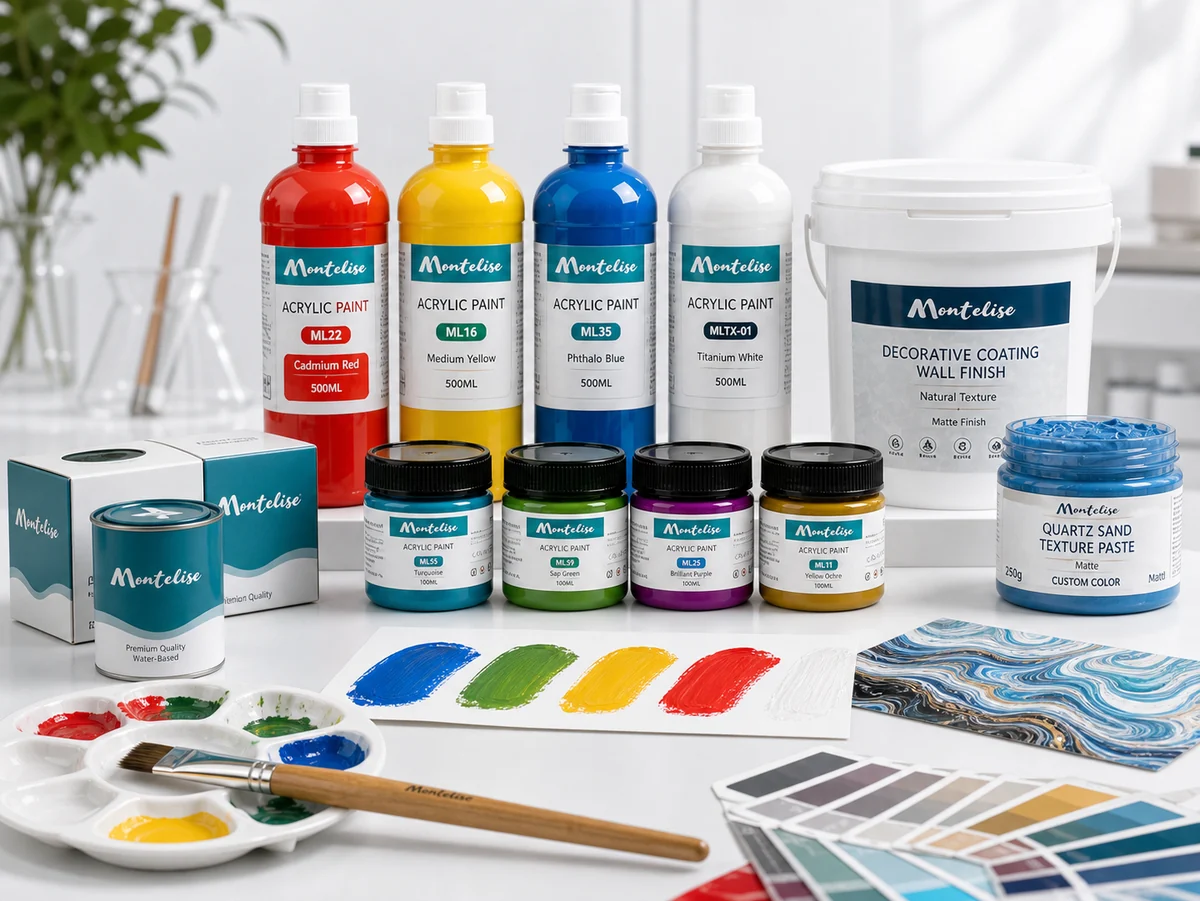
When a buyer asks for custom acrylic paint color matching, the real job is not only to copy a shade chip. A private label brand, distributor, school-supply importer, or craft retailer also needs the matched color to stay stable across sample jars, bulk filling, label files, and repeat orders months later.
That is why color matching should be managed as a buying process, not a one-line sample comment. This page supports the main Acrylic Paint Manufacturer pillar and shows what B2B buyers should prepare before they request custom acrylic paint samples, approve a shade, and move into production.
Buyer quick links
- View acrylic paint and related product lines: Product Center
- Compare private label, custom color, and packaging options: OEM&ODM
- Review the main sourcing page: Acrylic Paint Manufacturer
- Send shade references, pack sizes, and quantity plans: Contact / Get Quote
Decide Which Color Reference the Factory Should Follow
Most color-matching delays happen before the lab even starts. A buyer sends a mobile phone photo, a website screenshot, and two comments such as “make it brighter” and “less blue.” That is not enough for a repeatable production reference.
For custom acrylic paint color matching, give the supplier one clear reference route:
- Pantone code when the color must align with a known commercial system
- Physical swatch card when the final judgment depends on a real surface under normal light
- Approved competitor sample when the buyer is replacing or upgrading an existing range
- Printed drawdown card when the buyer already tested opacity, gloss, and drying look
- Master shade list with SKU names when several colors will launch together
It also helps to note the intended surface. A shade approved on smooth coated card may look different on canvas, wood, fabric blend panels, or classroom paper. Buyers that want 12 to 24 launch colors usually get faster results by ranking the first six core shades first, then expanding after the initial lab round is stable.
Separate Shade Approval From Package Approval
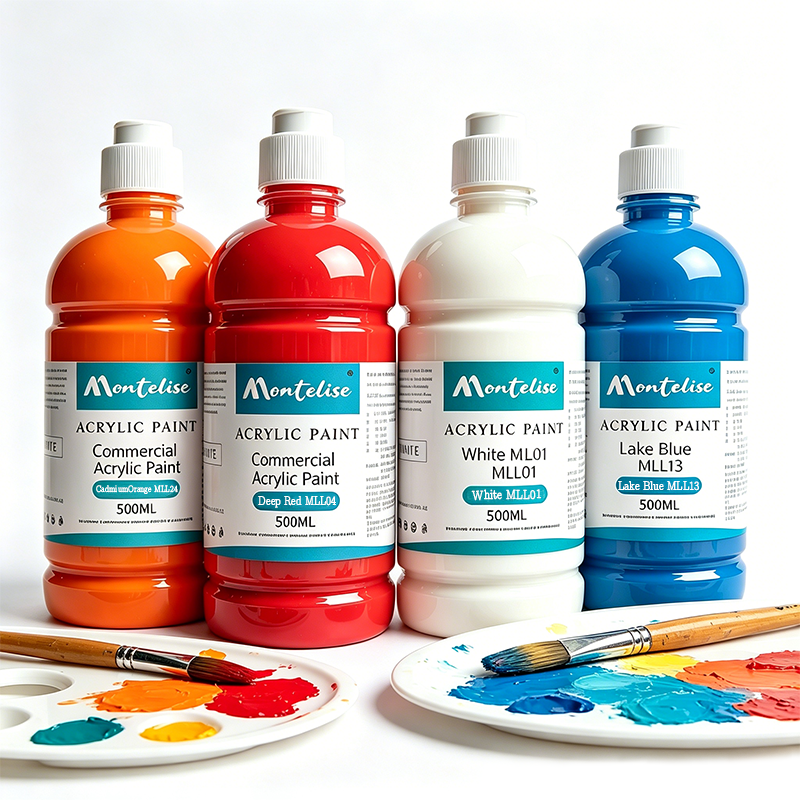
One common mistake is trying to approve everything in one sample cycle. The buyer reviews the shade, the bottle size, the cap color, the barcode area, and the master carton wording at the same time. That creates too many moving parts.
It is usually cleaner to split the process into two tracks:
| Approval Track | What to review first | Typical buyer detail |
|---|---|---|
| Shade approval | Color, opacity, finish, drying feel | Drawdown card plus 100 ml or 250 ml sample jar |
| Packaging approval | Bottle, label, barcode, carton count | 250 ml, 500 ml, or 1 L pack with artwork PDF |
| Final production lock | Shade code tied to final pack size | Retained sample, approved label version, carton note |
This is especially important for private label launches. A buyer may approve a deep blue in a 100 ml trial jar first, then move that exact shade into a 500 ml retail bottle or a 1 L classroom pack later. If the shade note and packaging note stay separate until the final signoff, the factory can control changes more clearly.
Planning a custom acrylic paint order?
Share your target shades, pack sizes, artwork stage, estimated quantity, and destination market with Montelise. The team can suggest a practical sample route before you commit to bulk filling.
Review the Shade Under Real Selling Conditions
Acrylic paint can look acceptable in a lab cup and still disappoint after drying. Buyers should ask for a review method that matches how the product will actually be sold and used.
For example:
- School and craft buyers often want bright shades that dry evenly on white paper and basic cardboard.
- Studio and art-supply buyers may care more about coverage, body, and how the paint layers on canvas or wood panel.
- Retail private label brands usually need the bottle shade name, swatch card, and dried sample to stay visually aligned on shelf.
- Mixed-SKU distributors may need a simple retained-sample file so the next reorder can reference the same red, yellow, black, and white without rebuilding the full shade discussion.
Ask the supplier to confirm which lighting and surface are used for review. A practical process may include one wet sample, one dried drawdown, and one retained jar labeled with shade code, sample date, and formula note. That record matters more than a casual “approved by email” reply.
Lock Packaging Specs Before Bulk Color Filling
Color matching becomes harder to control when packaging decisions keep changing late. A buyer may first request 24 x 250 ml bottles per carton, then switch half the shades into 12 x 500 ml bottles, then add a multilingual back label. Each change affects label copy, carton count, packing list logic, and sometimes lead time.
Before bulk filling, confirm:
- Final pack size per SKU, such as 100 ml, 250 ml, 500 ml, or 1 L
- Bottle or jar style and cap type
- Front label, back label, and barcode artwork status
- Color naming system and whether the carton uses shade name or SKU code
- Units per inner box and master carton
- Destination market language and warning-text space
Buyers who are still balancing quantity and packaging should also review acrylic paint MOQ and acrylic paint packaging options because MOQ and container choice often decide how many custom shades can launch in the first order.
Ask How the Factory Keeps Reorder Colors Stable
The first order is only half the buying decision. Good custom acrylic paint color matching should make the second and third orders easier.
Buyers should ask how the supplier records:
- Final approved shade code or internal color number
- Retained sample jar or drawdown card
- Packaging version linked to the approved shade
- Sample date and revision notes after each adjustment round
- Bulk production reference used for repeat orders
If a buyer launches eight private label colors and reorders only three of them later, the factory should still be able to trace the approved red, black, and metallic gold back to the same reference set. Without that control, repeat orders can drift because each reorder starts from memory instead of from retained samples.
Build a Short RFQ That Gives the Lab Enough Direction
A useful RFQ for custom acrylic paint color matching is usually short, but specific. Buyers do not need to send a long brochure. They do need to send the details that affect sampling and repeatability.
A workable first brief might include:
- Product line: artist acrylic, craft acrylic, mural paint, kids paint, or classroom bottle range.
- Shade count: for example 6 launch colors first, then 18 more after approval.
- Reference route: Pantone, physical card, existing sample, or competitor sample.
- Pack size: 250 ml squeeze bottle, 500 ml bottle, or 1 L pack.
- Artwork status: ready label file, draft file, or supplier support needed.
- Market and timing: destination country, sample deadline, and target bulk order month.
If the project is still early, the acrylic paint OEM sampling checklist helps define which details should be confirmed before the first lab round. If the shipment is already moving, pair this page with the acrylic paint export documents checklist so shade records and shipping files stay aligned.
What to Send for a Faster Quote
What to send for a faster quote
- Product type and intended surface
- Shade count and reference method
- Sample jar or bottle size needed for review
- Final retail or bulk pack size per SKU
- Label artwork status and barcode needs
- Estimated quantity per color
- Destination market and target schedule for samples and bulk order
FAQ
What is the best reference for custom acrylic paint color matching?
The best reference is the one both sides can review consistently. Pantone codes, physical swatch cards, approved competitor samples, and dried drawdown cards are usually stronger than screenshots or phone photos alone.
Should buyers approve color and packaging in the same sample round?
Usually no. Shade approval is easier when buyers first confirm color, finish, and coverage, then review bottle, label, and carton details in a separate packaging step before final production lock.
Which sample size is practical for private label acrylic paint review?
Many buyers start with 100 ml or 250 ml lab samples for shade review, then confirm the final selling format in 250 ml, 500 ml, or 1 L packaging once the approved colors are fixed.
How can buyers reduce color drift on repeat orders?
Keep retained sample jars or drawdown cards, record the final shade code, save the approved artwork version, and tie each reorder back to the same reference file instead of relying on email memory.
Final Thought
Custom acrylic paint color matching works best when the buyer gives one clear reference, reviews the shade on the real selling surface, separates packaging approval from lab approval, and keeps retained samples for reorders. That process makes private label supply easier to scale and easier to repeat.
Ready to match custom acrylic paint colors for a private label or bulk order? contact Montelise with your shade references, pack sizes, quantity plan, and target market to request samples or a practical bulk quote.