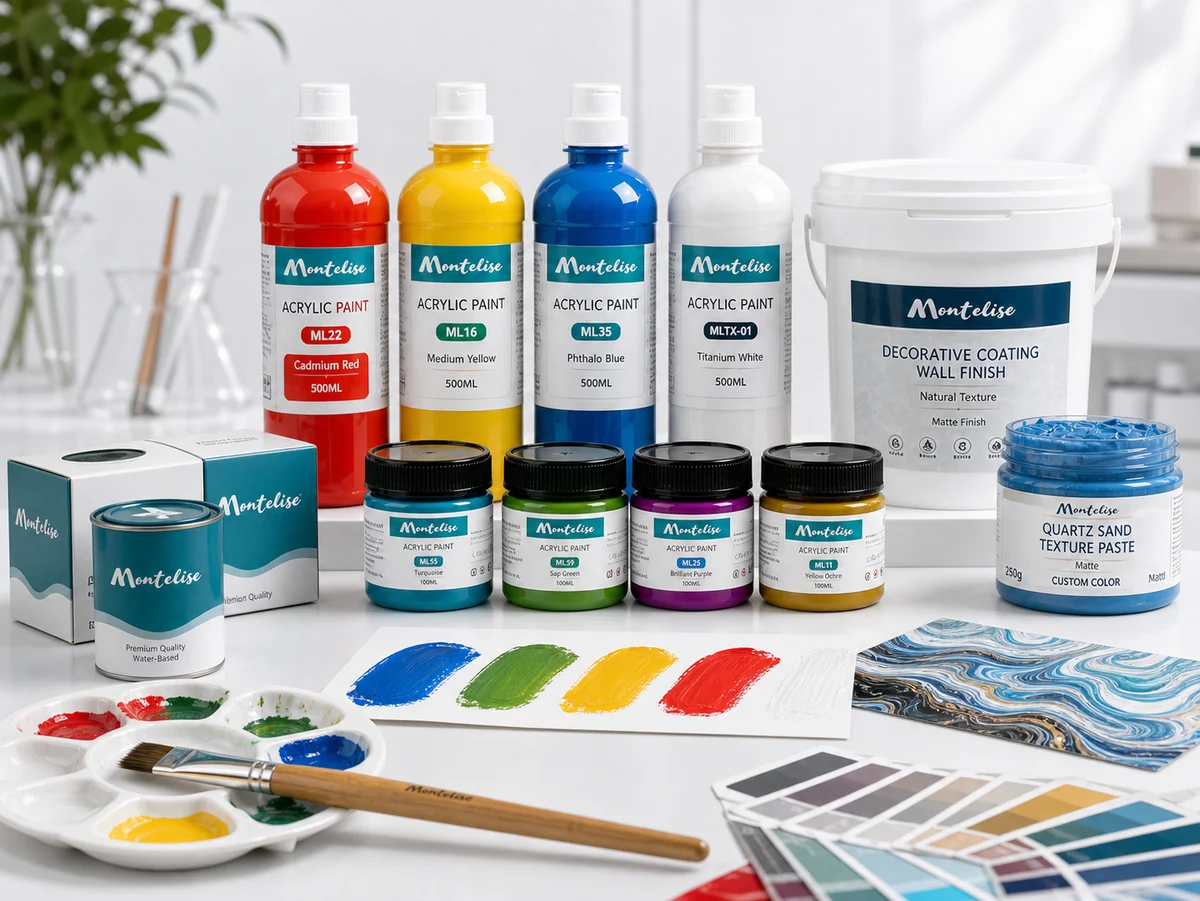
When a bulk acrylic paint order is ready to ship, buyers are usually focused on lead time and freight booking. The harder problem often sits in the paperwork. If the commercial invoice uses one product name, the label artwork uses another, and the packing list does not match the final carton count, the shipment becomes harder to clear, receive, and reorder.
That is why acrylic paint export documents should be checked while packaging is still controllable. Importers, distributors, school-supply buyers, and private label brands usually avoid delays when they lock the shipping file set together with pack sizes, label text, carton marks, and the approved sample record.
Buyer quick links
- View acrylic paint and color material product lines: Product Center
- Compare private label, label, and packaging options: OEM&ODM
- Review the main acrylic sourcing guide: Acrylic Paint Manufacturer
- Send SKU list, destination market, and shipment timing: Contact / Get Quote
Freeze the Shipment Structure Before Asking for Final Files
Most document mistakes happen because the order is still moving. A buyer confirms 500 ml bottles first, then adds 100 ml jars for a trial set, then changes the carton language, and finally asks for one more mixed-color pallet note. Each change may be reasonable, but together they make the file set unstable.
Before requesting the final documents, confirm:
- Which SKUs are shipping and which stay in the next order
- Which pack sizes are final, such as 100 ml jars, 250 ml bottles, 500 ml bottles, or 2 L packs
- Whether the order uses stock labels, private label stickers, or full printed cartons
- Whether sample cartons are shipping separately from production cartons
- Which consignee, notify party, and destination warehouse details must appear on the file set
Buyers still comparing general supply fit should also review the bulk acrylic paint supplier checklist because MOQ, packaging, and repeat-order structure usually affect export paperwork more than buyers expect.
Match Product Names Across Labels, Invoice, and Packing List
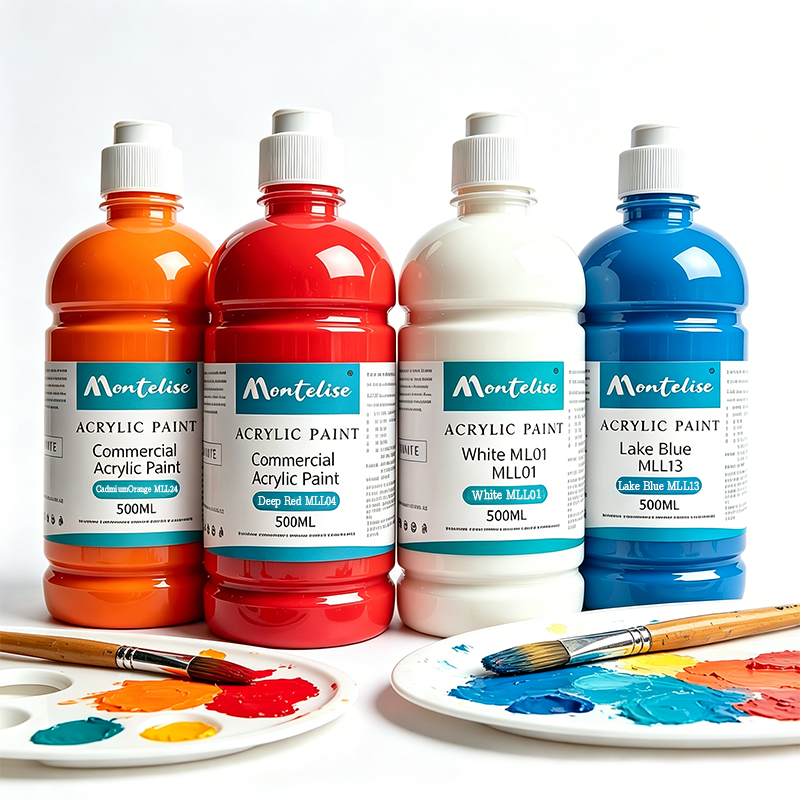
The cleanest export shipments use one naming structure. If the bottle label says “Acrylic Paint 500ML – Titanium White,” the invoice should not reduce it to “paint” and the packing list should not switch to an internal code the buyer never approved.
Use a simple cross-check table before release:
| File or Item | What should match | Typical buyer check |
|---|---|---|
| Bottle or jar label | Product name, net content, color code | Confirm final artwork PDF or AI file version |
| Inner or master carton | SKU code, carton quantity, shipping mark | Confirm PO number, destination, and carton sequence |
| Commercial invoice | Product description and quantity | Match approved SKU names and total shipped units |
| Packing list | Carton count, gross/net weight, pallet notes | Match warehouse receiving plan |
| Sample reference note | Approved color and package version | Match retained sample or drawdown date |
This is especially important for private label orders. Once custom labels and export cartons are introduced, a small wording mismatch can create receiving confusion even when the product itself is correct.
Planning an acrylic paint shipment for export?
Share your product type, pack size, label stage, carton format, and destination market with Montelise. The team can help organize a cleaner shipping file set before the bulk order leaves.
Treat Carton Marks as a Warehouse Tool, Not a Formality
Many buyers spend time on front-label design and almost none on carton marks. For distributors and importers, that is backwards. The receiving team often sees the master carton before it sees the bottle label.
A workable acrylic paint carton mark should usually confirm:
- PO or order reference
- SKU or item code
- Pack size, such as 24 x 500 ml or 12 x 2 L
- Carton sequence, such as carton 1 of 80
- Destination or customer code when one container serves multiple accounts
If the first order includes mixed shades, buyers should ask whether colors are packed by SKU, by assortment, or by mixed display set. That decision affects both the packing list and the receiving speed after arrival.
Keep the Approval Record Attached to the Shipment
Export documents do not replace sample approval. They should point back to it. A buyer who approved one retained 500 ml bottle sample, one drawdown card, and one final label file should be able to trace the shipment back to those references.
That record is easier to manage when the supplier and buyer both keep:
- The approved sample date
- The final color code or shade list
- The confirmed bottle, jar, or bucket format
- The label artwork version number
- The carton specification or packing note
If your team is still in the sample stage, the acrylic paint OEM sampling checklist is the right companion page because it explains how to separate formula approval from packaging approval before shipment documents are prepared.
Ask Which Supporting Files Are Actually Needed for Your Route
Buyers should not assume every market needs the same support file set. Requirements can change by country, customer type, and shipping method. The better question is which documents are required for this specific route and which documents are only optional reference files.
Useful questions include:
- Do you need SDS or technical data sheets for the receiving customer or import review?
- Does the customer require a certificate of analysis or batch note for the shipped lots?
- Will the buyer need a carton packing photo before release?
- Are language-specific label files needed before the invoice can be finalized?
- Does the warehouse require pallet dimensions or carton gross-weight confirmation in advance?
For private label projects, it is also worth comparing this checklist with private label acrylic paint manufacturer because label files, barcode placement, and carton layout often decide how smoothly the export file set is issued.
Control Last-Minute Changes Before Cargo Pickup
The worst time to edit export documents is after cartons are sealed and pickup is booked. A late barcode change, revised importer address, or new carton-language request can force several files to be reissued at once.
A lower-risk shipping process usually looks like this:
- Finalize the shipped SKU list before outer-carton printing or marking.
- Lock the final label artwork version before mass labeling.
- Confirm units per carton and total carton count before the packing list is issued.
- Review invoice wording against the approved SKU names, not internal shorthand.
- Save the final document pack together with the approved sample record for reorder control.
That last step matters for repeat orders. When buyers keep the final commercial invoice, packing list format, artwork version, and retained sample note together, the next shipment is easier to rebuild without guesswork.
What to Send for a Faster Quote
What to send for a faster quote
- Product type: acrylic paint jars, bottles, buckets, or private label sets
- Pack size and units per carton
- Color count and final shade list or reference method
- Label artwork status and barcode requirements
- Destination market and consignee type
- Sample timing, shipment window, and any required support files
FAQ
Which acrylic paint export documents should buyers check first?
Start with the commercial invoice, packing list, carton marks, and final label wording. Those four items usually control whether the shipment can be received cleanly and matched to the purchase order.
Why do carton marks matter if the labels are already correct?
Because the receiving warehouse often works from outer cartons first. Clear carton marks help the team sort SKUs, verify carton sequence, and match the shipment to the packing list faster.
Should export documents reference the approved sample?
Yes. The shipment should stay tied to the approved color list, package format, and artwork version so the buyer can compare delivered goods against the same commercial decision that was approved before production.
What usually causes last-minute acrylic paint shipping delays?
Late artwork edits, changed carton quantities, new consignee details, or mismatched product descriptions across invoice, label, and packing list are common causes.
Final Thought
Acrylic paint export documents are not just admin work. They are part of supply control. Buyers reduce shipping friction when they lock the shipment structure early, keep product naming consistent, review carton marks carefully, and connect the file pack back to the approved sample and artwork record.
Ready to ship acrylic paint under bulk or private label supply? contact Montelise with your SKU list, pack sizes, label status, destination market, and target shipment date to request samples or a practical bulk quote.