Kids art projects should be simple, supervised, and matched to the child’s age and activity. Paint choice matters, but so does setup: table protection, ventilation, clothing, cleanup, and clear instructions all make the project smoother.
Read the product label first
Before buying paint for children, check the label and intended use. Look for age guidance, safety information, washable claims where relevant, and surface recommendations. Do not use adult specialty coatings for children unless the product label supports that use.
Choose the right format
For young children, easy-to-handle containers and washable project setups are usually better than complex tools. For classrooms, choose colors and sizes that support group use without constant refilling. Browse the Kids Paint category for child-focused creative projects.
Set up the space
Cover the table, prepare water and cloths, and keep paint away from food. Use aprons or old shirts. For group projects, put small amounts of paint on palettes instead of giving every child a full container.
Pick simple surfaces
Paper, cardboard, washable craft sheets, and supervised classroom materials are good starting points. Avoid delicate furniture, walls, or clothing unless the project is specifically designed for that surface.
Cleanup tips
- Clean hands and tools promptly.
- Keep lids closed when colors are not in use.
- Separate brushes by color family to reduce muddy mixing.
- Let finished work dry flat before stacking.
FAQ
Is all acrylic paint suitable for kids?
No. Always check the label and intended use. Children’s projects should use age-appropriate paint under adult supervision.
What projects are best for children?
Simple paper art, handprint-style activities, classroom posters, color mixing, and guided craft projects are good starting points.
How can I reduce mess?
Use small paint portions, covered tables, washable tools, and clear cleanup steps before starting.
Adult supervision matters
Even when a product is intended for children, supervision is part of safe use. Keep paint away from eyes and mouth, use age-appropriate tools, and clean spills promptly. For younger children, limit the number of colors on the table so the activity stays manageable.
Good kids project formats
Short sessions work better than long, complicated projects. Try color mixing sheets, simple stamped shapes, classroom posters, paper masks, greeting cards, or guided seasonal crafts. Let each piece dry before sending it home.
What to avoid in kids projects
Avoid projects that require sharp tools, long drying waits, or too many steps for the age group. Avoid giving children large open containers when small palette portions will work. If the project involves clothing, furniture, or walls, confirm that the paint is intended for that surface and that adults handle the setup and cleanup.
Recommended next step
Source Kids Finger Paint from Montelise Art
Explore the related product line, compare formats, or send your OEM and bulk order requirements.
Related product lines
Need samples, private label packaging, or bulk pricing?
Send your target market, quantity, color range, and packaging requirements. Montelise Art can recommend matching acrylic paint, medium, texture, or classroom product lines.
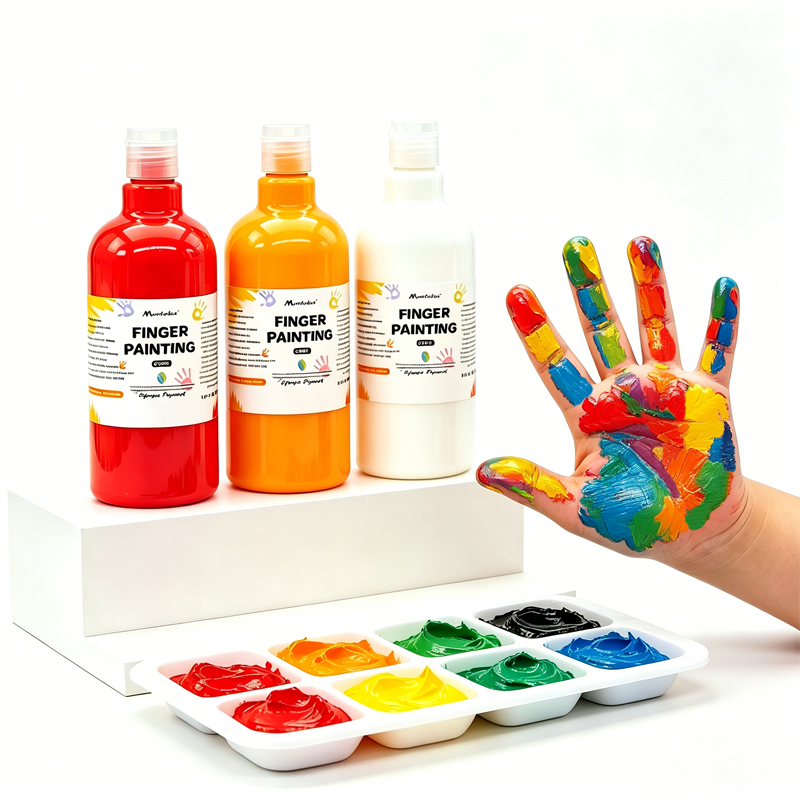 Kids Finger Paint
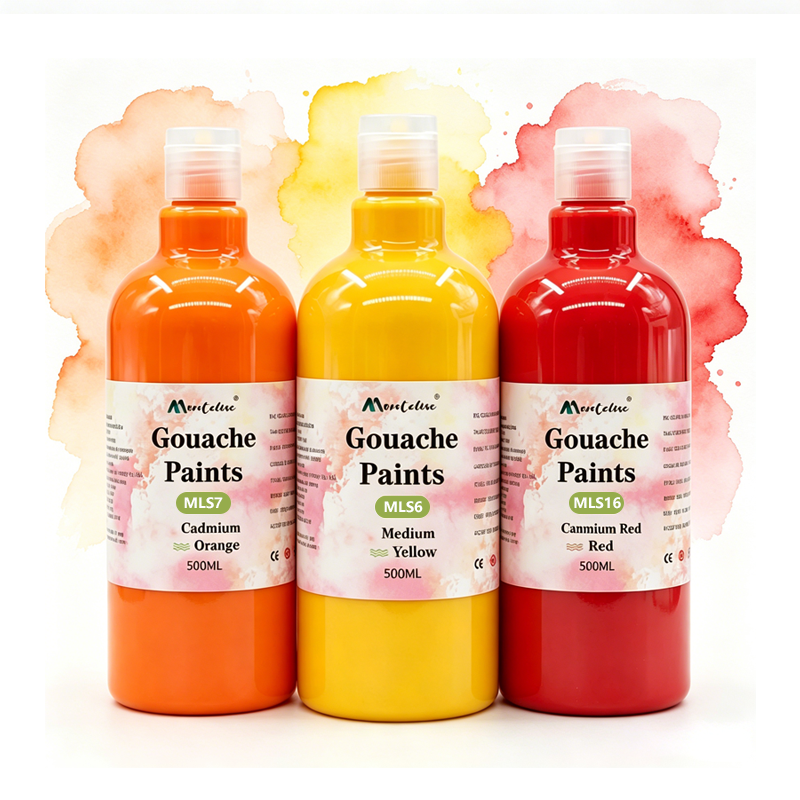 Washable Gouache Paint
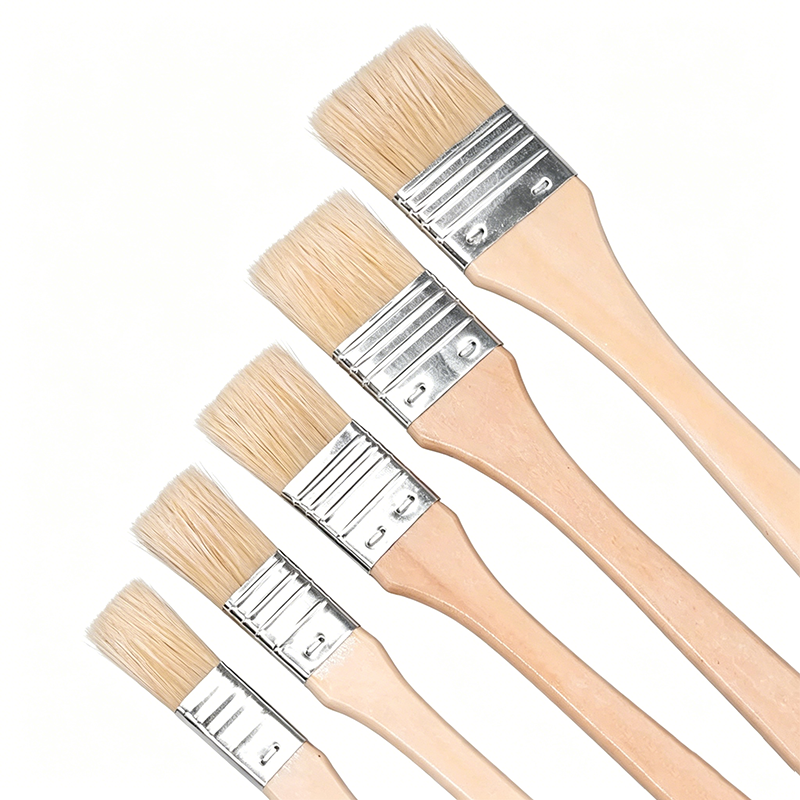 Brushes & Palette Knives