Painting furniture without heavy sanding is possible for many decorative projects, but it still requires smart preparation. The goal is not to skip prep completely. The goal is to clean the surface, test adhesion, and choose a paint process that fits the furniture and how it will be used.
Start with cleaning
Dust, oil, wax, and polish can stop paint from bonding. Wipe the piece thoroughly and let it dry. Pay attention to drawer fronts, handles, table edges, and areas touched often.
Check the old finish
Glossy, slick, or peeling finishes need more preparation. If the finish is loose, paint will not fix it. Remove flakes and lightly scuff problem areas even if you are trying to avoid full sanding.
Use the tape test
Paint a small hidden area, let it dry, then apply and remove tape. If the paint lifts easily, the surface needs more preparation or a different coating system.
Choose furniture-friendly paint
For decorative furniture, shelves, cabinets, frames, and craft decor, browse Furniture Paint. Use thin coats instead of one heavy coat. Thin coats dry more evenly and reduce brush marks.
When to seal
High-touch pieces may need a protective top coat. Tabletops, chairs, and cabinets usually face more wear than decorative shelves or display pieces. Always check compatibility between the paint and the top coat.
Simple process
- Clean the furniture.
- Remove loose finish.
- Test adhesion in a hidden spot.
- Apply thin coats and let each coat dry.
- Seal if the piece will get frequent use.
FAQ
Can I paint every piece without sanding?
No. Some glossy, damaged, or waxed surfaces still need sanding or stronger preparation.
How many coats should I use?
Two thin coats are often better than one heavy coat, but coverage depends on color and surface.
Can acrylic paint be used on furniture?
It can be used on decorative furniture and craft pieces when the surface is prepared and the finish suits the use case.
Where no-sanding projects work best
Low-wear decorative furniture is the best candidate for a reduced-sanding approach. Frames, shelves, trays, small tables, display pieces, and decorative cabinets are easier than high-use dining tables or kitchen cabinets. The more often a piece is touched, cleaned, or bumped, the more preparation and protection it needs.
Finish expectations
A painted furniture finish is not only about color. Smoothness, adhesion, and durability matter too. If the project must handle daily use, plan extra drying time and consider a compatible clear protective finish after the paint cures.
Related products and next steps
If you are planning a furniture refresh, start with one small piece before painting a full room set. Compare color on the actual surface, note drying time, and decide whether the project needs a matte decorative finish or a more protected finish. For related supplies, browse Furniture Paint and keep your color notes for future touch-ups.
Recommended next step
Source Furniture / Chalk Paint from Montelise Art
Explore the related product line, compare formats, or send your OEM and bulk order requirements.
Related product lines
Need samples, private label packaging, or bulk pricing?
Send your target market, quantity, color range, and packaging requirements. Montelise Art can recommend matching acrylic paint, medium, texture, or classroom product lines.
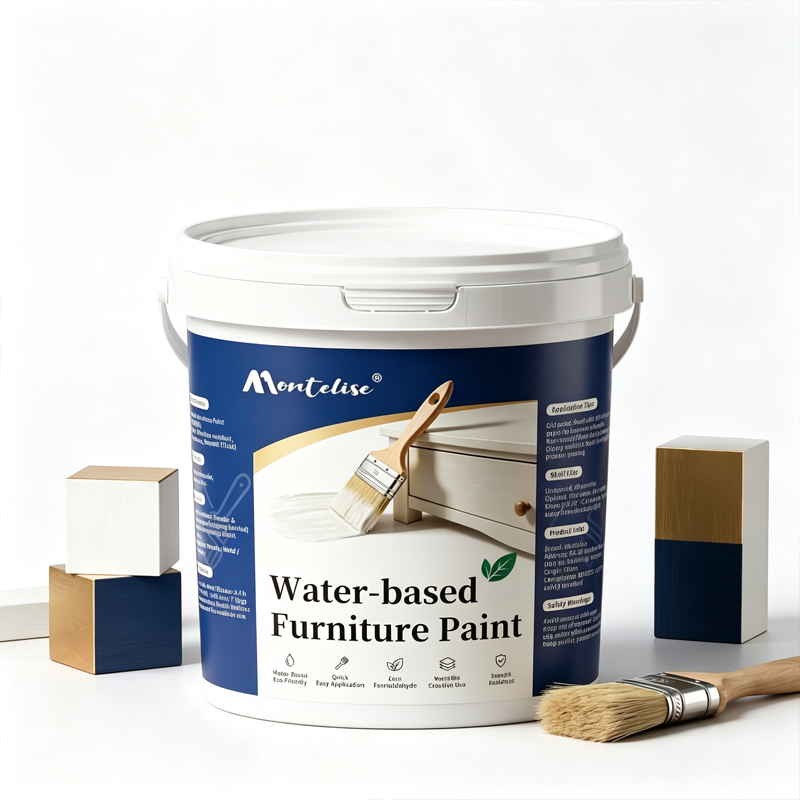 Water-Based Furniture Paint
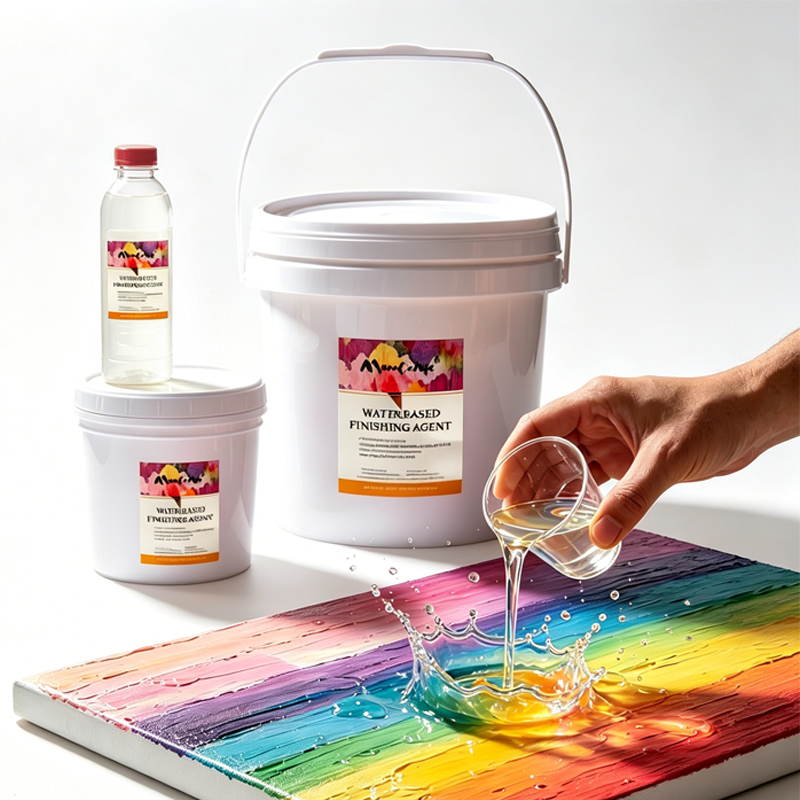 Water-Based Finishing Agent
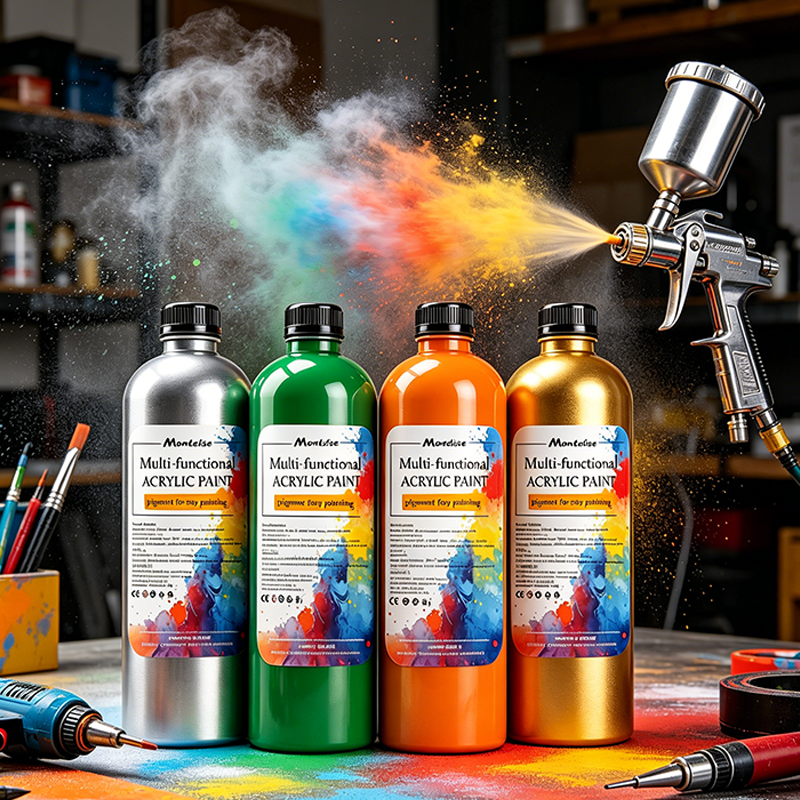 Sprayable Acrylic Paint