Mural paint planning starts with surface area. A small wall accent may need only a modest amount of paint, while a classroom mural or studio wall can require much larger formats. Estimating early helps prevent color shortages halfway through the project.
Measure the wall
Multiply width by height to get square footage. If the mural only covers part of a wall, measure the actual painted area. Add extra paint for testing, corrections, and touch-ups.
Surface texture matters
Smooth primed walls usually need less paint. Rough plaster, brick, concrete, or very absorbent surfaces need more. A base coat can help create a more predictable painting surface.
Color affects coverage
Some colors cover faster than others. Deep colors, bright yellows, reds, and high-contrast designs may need extra coats. White and light colors over dark walls usually require more planning.
Use larger formats for large work
Small tubes are fine for details, outlines, and color studies. For the main areas of a mural, larger products from Wall Mural Paint are more practical. The 2L Acrylic Paint for Murals is designed for bigger creative surfaces and repeated coverage.
Planning formula
- Measure wall width and height.
- Estimate how much of the wall will be painted.
- List main colors and accent colors.
- Add extra for two coats where needed.
- Keep a small amount for future touch-ups.
FAQ
Do murals need two coats?
Many murals benefit from two coats in large color areas, especially when covering a darker wall or uneven surface.
Should I prime the wall?
Priming can improve coverage and consistency, especially on porous or previously painted surfaces.
Can I use small acrylic tubes for murals?
Small tubes work for details, but larger paint formats are usually better for the main mural area.
How to plan mural colors
Separate colors into background, main shapes, outlines, and details. Background colors usually need the most paint. Detail colors may need much less, even if they are visually important. If the mural includes text, logos, or school colors, keep extra paint for corrections and future touch-ups.
Before painting the wall
Clean the wall, mark the design lightly, and test the first coat in a small area. If the wall is uneven or strongly colored, a base layer can make the mural colors more predictable.
Touch-up planning
Murals often need small repairs after installation, classroom use, or seasonal display changes. Save a labeled amount of each main color if possible. Keep notes about the wall surface, base coat, and color codes. This makes it easier to repair scuffs or extend the mural later without guessing the original paint choices.
Recommended next step
Source Wall Mural Paint from Montelise Art
Explore the related product line, compare formats, or send your OEM and bulk order requirements.
Related product lines
Need samples, private label packaging, or bulk pricing?
Send your target market, quantity, color range, and packaging requirements. Montelise Art can recommend matching acrylic paint, medium, texture, or classroom product lines.
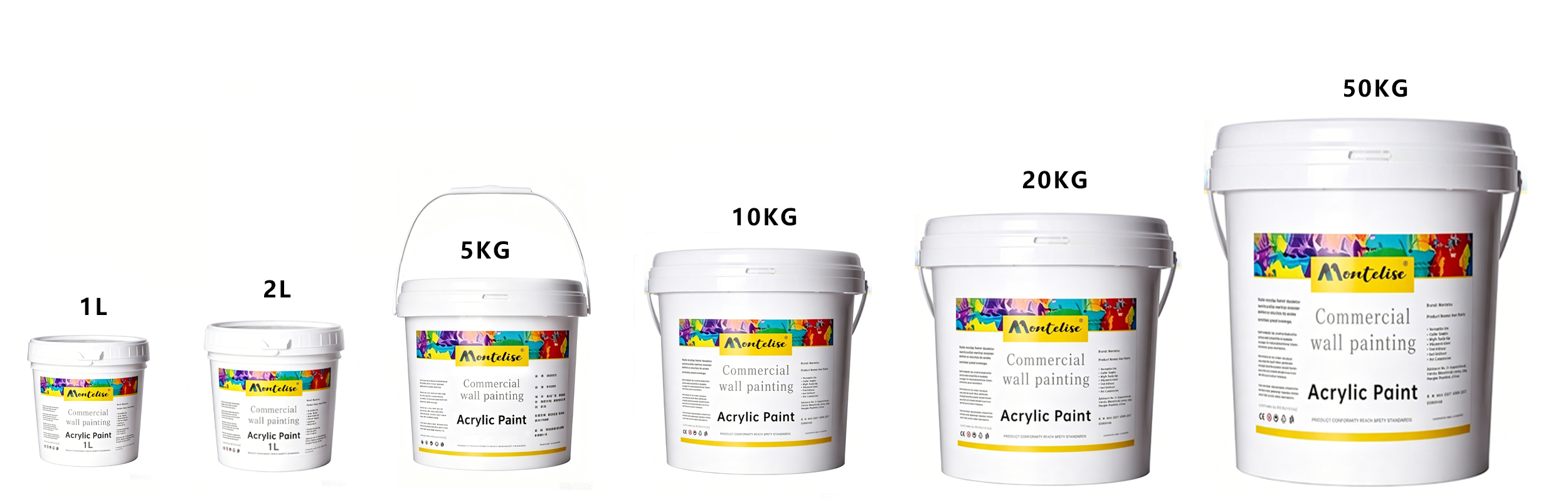 Bulk Wall Mural Paint
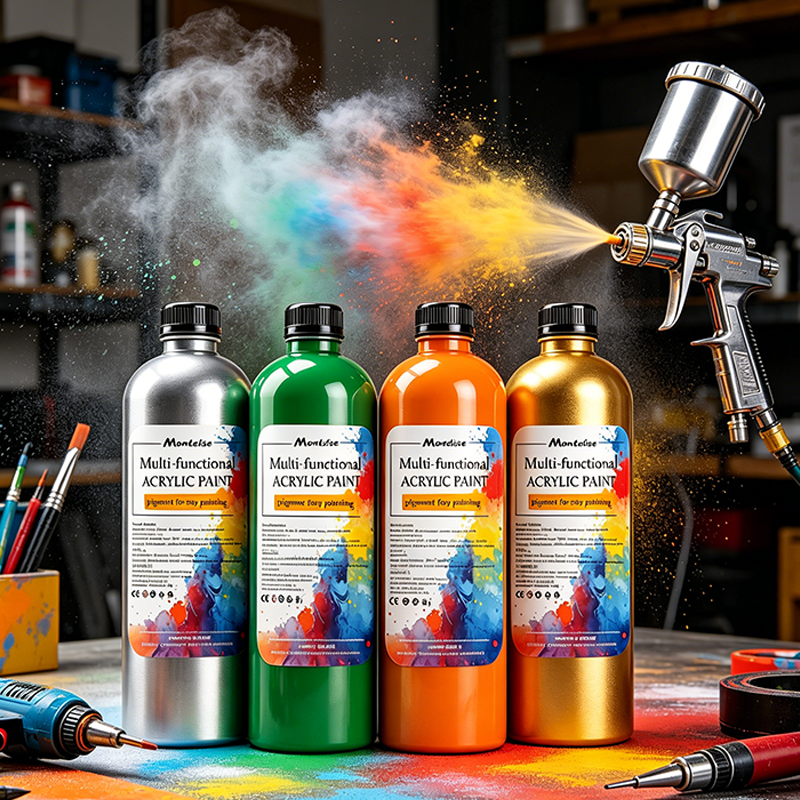 Sprayable Acrylic Paint
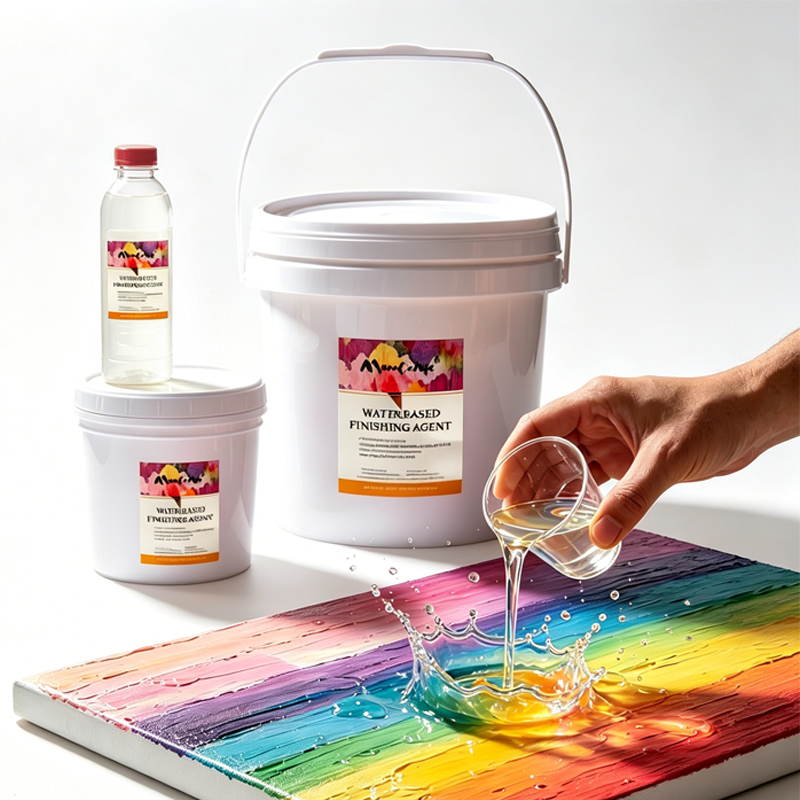 Water-Based Finishing Agent