The best paint depends on the surface. A paint that works beautifully on canvas may not be the best choice for fabric, furniture, or a large wall mural. Before choosing colors, match the paint format to the material, the size of the project, and the finish you want.
Best paint for canvas
Acrylic paint is a strong everyday choice for canvas because it dries quickly, layers well, and supports both thin color studies and thicker brushwork. Beginners can start with the 24 Color Acrylic Paint Tube Set, while classrooms and studios may prefer larger bottles or coordinated acrylic formats from the Acrylic Paint category.
Best paint for wood and furniture
Wood and furniture projects need better surface preparation than paper or canvas. Clean the surface, remove loose finish, and test adhesion before painting the full piece. For decorative home projects, browse Furniture Paint. For high-use surfaces such as tabletops or cabinets, consider whether a protective top coat is needed after the color layer dries.
Best paint for fabric
Fabric projects need paint that can move with the textile and match the intended use. Decorative fabric accents, costumes, tote bags, and craft textiles may use specialty fabric-friendly products. Always test on a small fabric area first and follow the product label for drying and care instructions.
Best paint for walls and murals
Murals need coverage, planning, and enough paint to finish without color gaps. Larger acrylic formats from Wall Mural Paint are more practical than small tubes for big surfaces. Wall texture, primer, base color, and the number of coats all affect paint needs.
Best paint for craft accents
For decorative highlights, shimmer, pearl, glow, and special effects, use Specialty Paint. Metallic colors are especially useful for frames, ornaments, mixed media, cards, sculptural details, and handmade gifts.
Surface checklist
- Clean the surface before painting.
- Test adhesion and color on a small area.
- Use larger formats for walls and group projects.
- Use specialty paint only where the effect is needed.
- Let each coat dry before adding heavy layers.
FAQ
Can acrylic paint be used on wood?
Yes, acrylic can be used on many wood craft projects, especially when the surface is clean and properly prepared.
What is best for murals?
Larger acrylic or mural paint formats are usually better than small tubes because they provide more practical coverage.
Should I test before painting?
Yes. Testing helps confirm color, adhesion, coverage, and drying behavior before committing to the full project.
How to test paint on a surface
Use a small hidden area or scrap piece that matches the final surface. Apply one thin coat, let it dry, then check color, coverage, adhesion, and finish. For wood and furniture, rub the surface gently after drying to see whether the paint holds well. For fabric, test flexibility and care requirements before painting a full garment or tote.
Buying tip
When a project uses several surfaces, buy the main paint for the largest surface first, then add specialty products only for accents. This keeps cost under control and prevents unused paint from piling up.
Recommended next step
Source Surface Paint Lines from Montelise Art
Explore the related product line, compare formats, or send your OEM and bulk order requirements.
Related product lines
Need samples, private label packaging, or bulk pricing?
Send your target market, quantity, color range, and packaging requirements. Montelise Art can recommend matching acrylic paint, medium, texture, or classroom product lines.
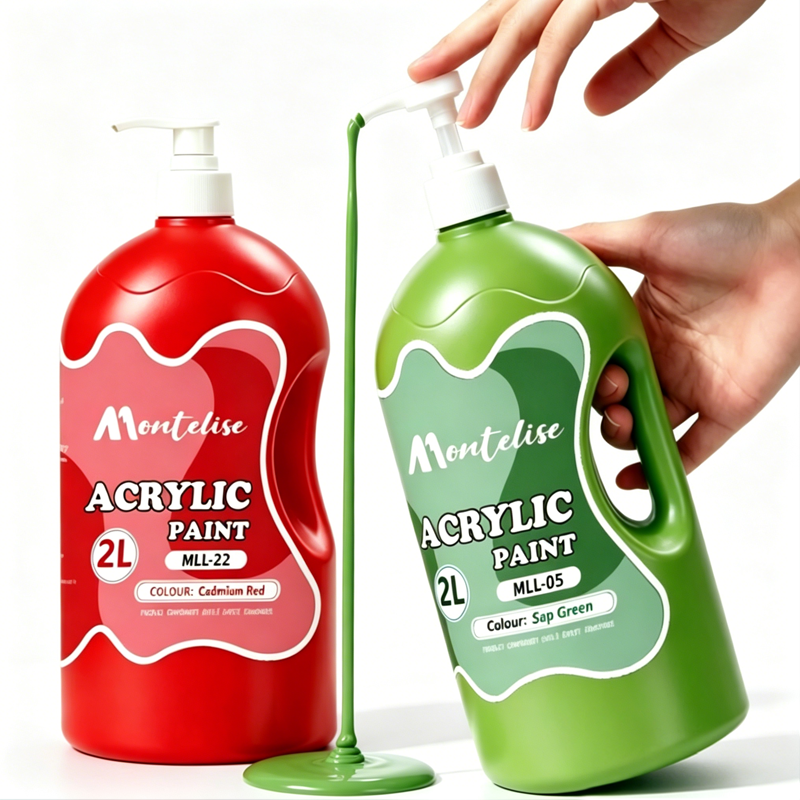 Bottled Acrylic Paint
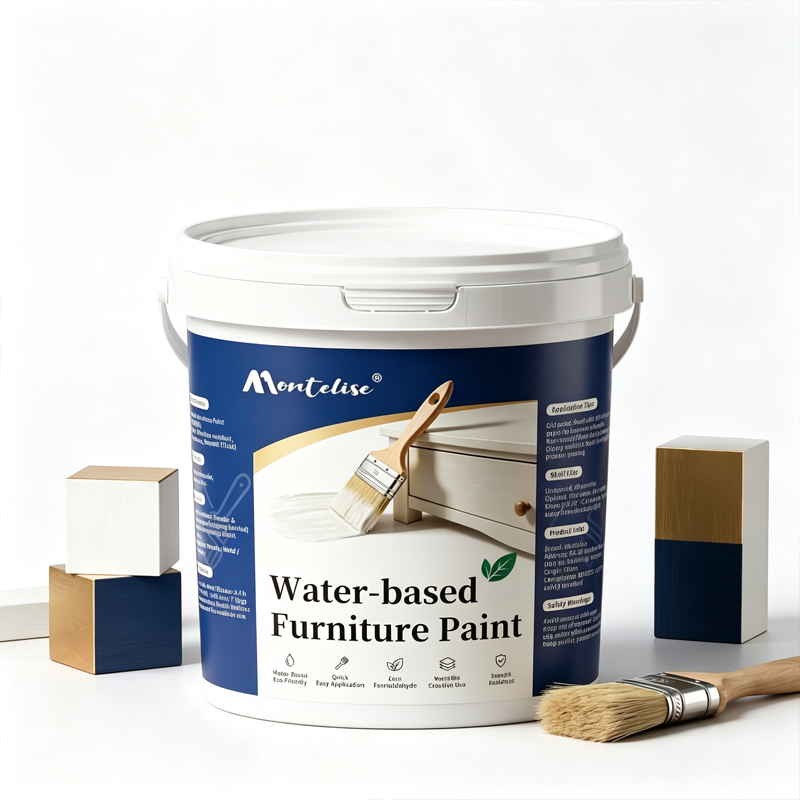 Water-Based Furniture Paint
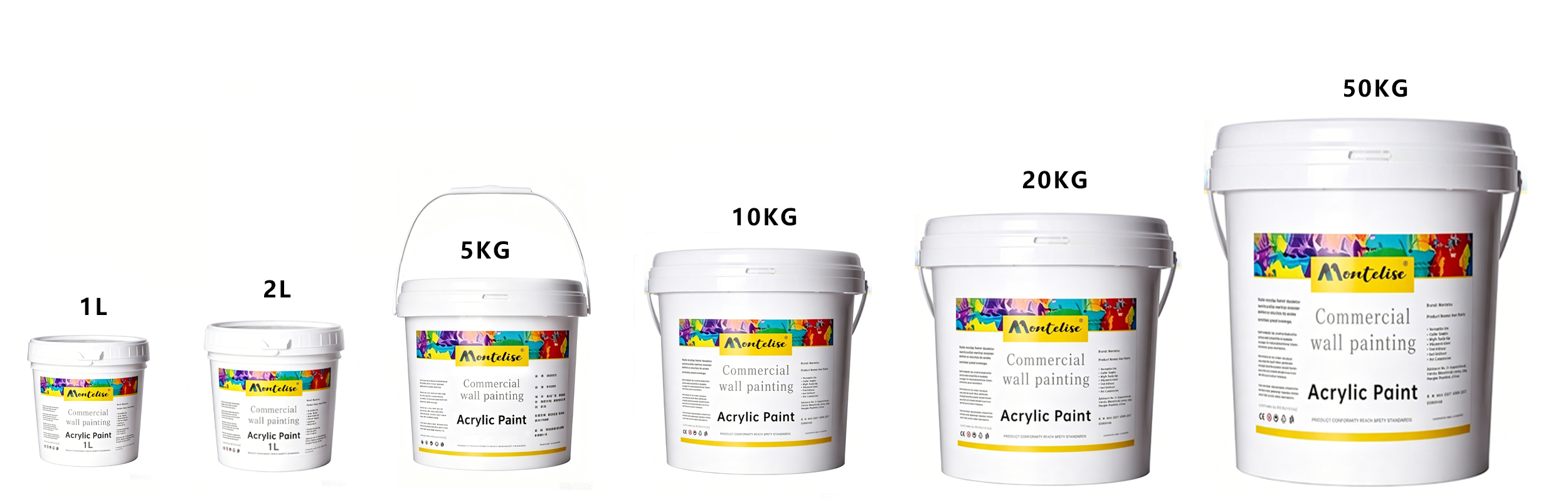 Bulk Wall Mural Paint