For acrylic paint sample approval, separate the decisions about dried paint, application and packaging. Compare an identified sample on the intended art or craft surface, using an agreed preparation and application method. Record what was accepted, what needs another trial and which sample revision the decision covers. A photograph of an attractive bottle cannot settle all three decisions.
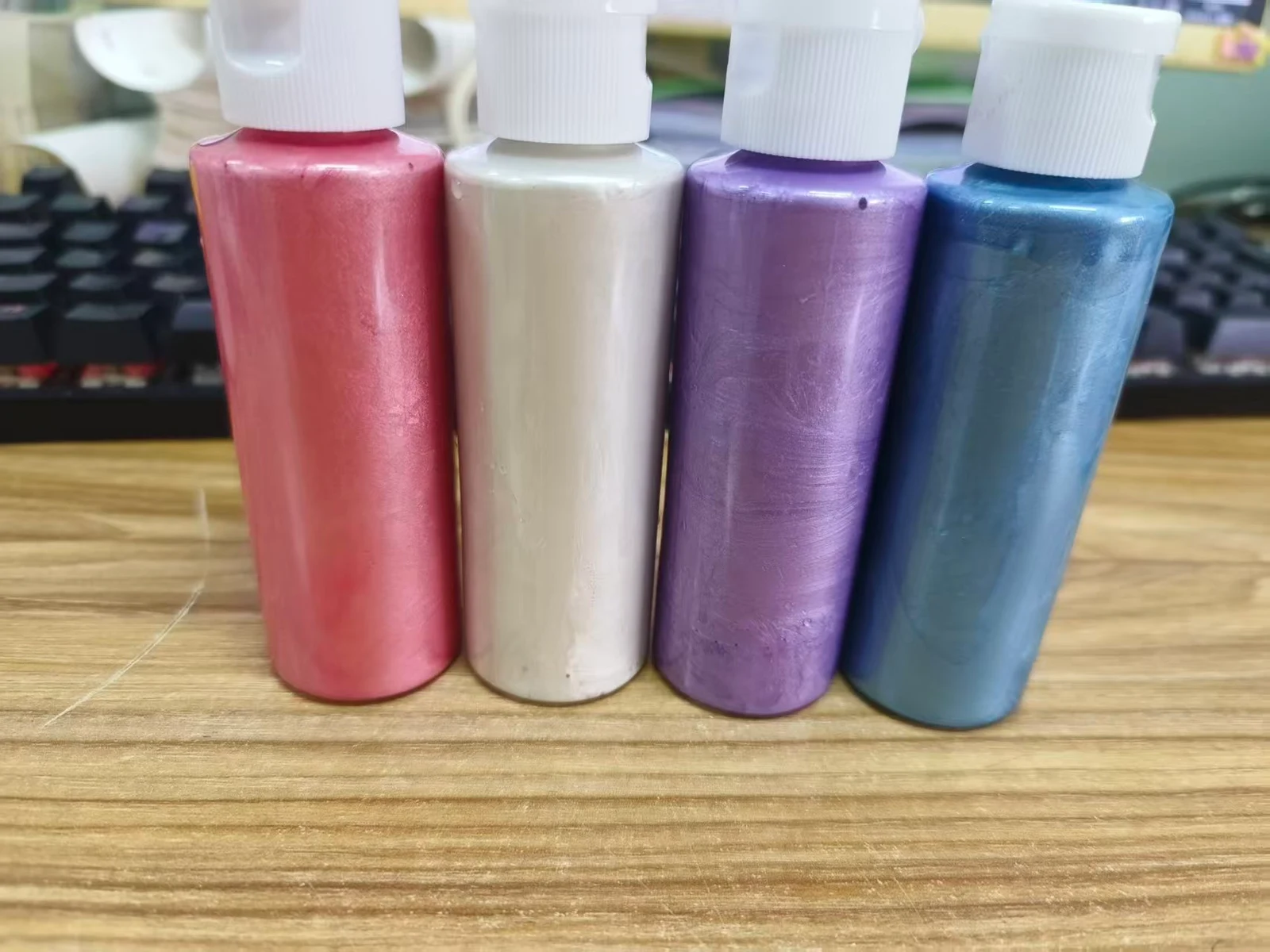
For ordinary colours, check dried shade and opacity separately. For metallic or pearl acrylics, also compare the effect under agreed lighting and viewing angles. Keep the physical reference and the written decision together. The checklist below is a proposed purchasing workflow for private-label buyers, not a claim that a Montelise sample has passed a test or is authorised for bulk production.
Identify the sample before comparing the paint
Start with the product family, colour or sample code, revision, date received and intended use. Link each bottle to its supplier record. A custom colour name alone may not identify the formulation or the latest revision; ask for a reference both parties can retrieve.
Use the actual canvas, paper, wood or other craft surface intended for the product. Record preparation, primer if used, tool, number of applications and any added water or medium. For pouring products, record the proposed mixture and process separately rather than assuming a brushed sample proves pouring behaviour. The acrylic paint factory page is the commercial starting point for discussing the product route.
Compare dried colour, opacity and effect separately
Judge the dried sample against an agreed physical reference. Liquitex’s acrylic paint explanation describes wet-to-dry colour shift as the binder changes appearance. The amount is product-dependent: do not approve a dried target by looking only through the bottle or transfer another brand’s drying time to a Montelise sample.
Keep the support colour and application consistent when judging coverage. A stronger-looking shade and greater opacity are different observations. Record both rather than asking for a single vague change such as “make it richer.” Agree the drying or conditioning interval with the supplier before comparison; surface dryness alone does not establish every performance property.
For metallic and pearl acrylic paint, agree the base colour, film application, lighting and viewing positions. GOLDEN’s effect-colour guidance shows why base coats and added mediums can change reflective appearance. That is a reason to control the comparison, not evidence that Montelise uses the same pigments or formulation.
Check application and packaging as distinct samples
Use the intended brush, dispensing opening or palette knife and record practical observations: flow from the pack, brush drag, levelling or texture retention. If a measured viscosity requirement is needed, agree the instrument, method, temperature, units and acceptance range with the supplier. A subjective description is not a numerical specification.
For packaging, identify the container, nominal fill, closure, label artwork revision and proposed set arrangement. Check opening, dispensing, reclosing and label fit on the actual sample. Transport protection needs its own agreed evidence; a bottle that looks sound on a desk is not proof of shipment performance.
The documented Art by Brianne metallic acrylic sample project shows delivered custom samples and branded packaging. Delivery of samples is the confirmed milestone. It does not establish the customer’s final paint approval, a completed bulk order or a general MOQ.
Write an approval record with clear limits
Use a record like this for each colour and pack revision. These are suggested fields, not factory test results or universal pass limits.
| Decision | Record to retain | Hold or repeat when |
|---|---|---|
| Dried colour and opacity | Physical reference, sample code, surface, application and viewing conditions | Only a phone photo or wet bottle has been compared |
| Metallic or pearl effect | Base colour, layer method, light and viewing positions | The comparison uses a different base or added medium |
| Application | Tool, dilution or mixture, observed behaviour and agreed method | The sample was tried using a different process |
| Packaging | Container and closure reference, fill requirement, artwork revision, set layout | The pack or label differs from the intended order |
| Release scope | Approver, date, accepted items, open items and linked specification | “Approved” does not say whether it covers paint, pack or production |
Retain an identified physical sample and dried reference where appropriate, with storage and replacement arrangements agreed by both parties. If colour, medium, pack or artwork changes, issue a revision and identify which checks need repeating. Do not silently relabel a new sample as the earlier approved reference.
A pearl sample can pass one check and remain on hold
Consider a hypothetical buyer reviewing a pearl acrylic sample. The label fits the chosen bottle, but the buyer brushed the paint over dark wood while the supplier’s comparison used a light card. The buyer also added a matte medium that was absent from the reference trial. The apparent effect difference cannot yet be attributed to the supplied paint alone.
Record packaging acceptance for the identified artwork and container only. Hold the colour/effect decision, agree a common surface and mixture, then compare again. If a later sample meets the agreed appearance requirement but another required test remains open, record appearance-only acceptance. None of these fictional decision states is a Montelise test result or a customer’s reported experience.
Send the approval scope with your order brief
For an OEM and private-label quotation, send the product family and intended surface; colour/sample codes; comparison conditions; accepted and open checks; proposed pack and label revision; colour count; quantity per colour or set; destination; and required documents. Ask the supplier to distinguish per-colour minimums, pack or printed-material minimums and the total order quantity.
Request confirmation of the final specification, sample arrangements and production schedule against that brief. This guide does not promise a standard MOQ, lead time, certification or acceptance tolerance. The useful next step is a sample plan or quotation tied to an identifiable version of the paint and packaging.