Choosing the right painting medium can turn a simple project into something with more depth, control, and personality. Acrylic Gloss and Mixing Medium is designed for artists, craft makers, classrooms, event planners, and DIY decorators who want more than flat color alone. This guide explains how to use acrylic gloss mixing medium, what surfaces to test first, how to plan drying time, and when to choose this product instead of standard acrylic paint.
The main reason to use this product is to create smoother flow, gloss adjustment, transparent layers, color blending, and controlled acrylic painting effects. Standard acrylic paint is excellent for color, but specialty mediums help you change the physical surface, final finish, or application behavior. That matters for canvas art, handmade gifts, home decor, display pieces, workshop samples, and beginner-friendly practice projects where the process should be predictable.
Best Uses for Acrylic Gloss and Mixing Medium
Acrylic Gloss and Mixing Medium works well when the design needs a clear visual effect. Use it for small sample boards before moving to a finished piece. Testing first helps you understand thickness, tool marks, drying time, and color response. Mediums help artists change how paint behaves without switching to a completely different product family.
Good project ideas include abstract canvas panels, craft signs, studio color samples, beginner art kits, decor accents, teaching demonstrations, and mixed media backgrounds. If you are building a product display or preparing a class project, make one small reference card with the product name, tool used, layer thickness, and drying time. This makes it easier to repeat the result later.
Recommended Surfaces
Start with clean, dry, stable surfaces such as canvas, paper, wood craft, acrylic practice boards, mixed media panels, and decorative samples. Avoid dusty, greasy, glossy, or flexible materials until you have tested them. Very slick surfaces may need light sanding or a compatible primer. Very porous surfaces may absorb water quickly and change the final texture, so a sealed test sample is useful.
For canvas, stretch or support the surface before applying heavy layers. For wood or craft panels, wipe away dust and test adhesion near an edge. For decorative projects, remember that the surface under the medium affects the final look as much as the product itself. A white base can make colors brighter, while a dark base can create more dramatic contrast.
Tools and Application Notes
You can apply acrylic gloss mixing medium with a brush, palette knife, mixing cup, scraper, sponge, or pour tool. Use thin layers for controlled results and heavier layers only after you understand how the product dries. If you need a clean edge, use painter’s tape or a stencil and remove it before the surface becomes too rigid. If you need a handmade look, let the tool marks stay visible instead of smoothing everything flat.
Drying time depends on layer thickness, humidity, temperature, airflow, and surface material. A thin test layer may dry faster than a heavy textured area. Do not stack, seal, or package the work until the surface is fully dry. For best results, record the room conditions and layer thickness when making samples for a larger project.
How to Build a Simple Sample Board
Create a small board with three test areas. In the first area, apply a thin smooth layer. In the second, use a thicker layer and leave tool marks. In the third, combine the medium with acrylic color or paint over it after it dries. Label each area. This simple test will show whether you prefer a subtle effect, a bold surface, or a layered painted finish.
Sample boards are also useful for online stores, classrooms, and workshops because they let people see the real result instead of guessing from a product name. If you plan to photograph the result, use natural light from the side so shadows reveal the surface texture or finish.
Recommended Product
Use Acrylic Gloss and Mixing Medium for this project style. For more painting supplies, browse Montelise Art product lines, compare Acrylic Mediums.
Common Mistakes to Avoid
Do not apply a thick layer directly to an untested surface. Do not assume every color or finish behaves the same on every material. Do not seal a project too early. Do not judge the final look while the product is still wet, because many acrylic products change appearance as water evaporates. Most importantly, avoid using a final artwork as the first test.
Another common mistake is using too many effects at once. Beginners often get better results by choosing one goal: stronger texture, smoother flow, added gloss, or a special event look. Once that first goal is controlled, you can combine effects more confidently.
Shipping and Project Planning
When planning a class, event, or large artwork, order enough product for testing plus the final project. Shipping options, taxes, and delivery estimates are shown at checkout. If you are working on a deadline, allow extra time for sample tests, drying, and adjustments before the project date.
FAQ
What does acrylic mixing medium do?
It helps adjust flow, transparency, sheen, or working behavior depending on the medium and the ratio used.
Can beginners use acrylic mediums?
Yes. Start with small ratios and labeled test swatches so you can see how the paint changes.
How should I choose between this product and regular acrylic paint?
Choose regular acrylic paint when the main goal is color coverage. Choose acrylic gloss mixing medium when the project needs a special surface, finish, flow behavior, or visual effect that paint alone does not provide.
Should I use real product photos in project guides?
Yes. Real product photos and project samples help shoppers understand scale, texture, packaging, and expected use. They also support better product-page SEO because the image, alt text, and surrounding content all match the same search intent.
Recommended next step
Source Acrylic Mediums from Montelise Art
Explore the related product line, compare formats, or send your OEM and bulk order requirements.
Related product lines
Need samples, private label packaging, or bulk pricing?
Send your target market, quantity, color range, and packaging requirements. Montelise Art can recommend matching acrylic paint, medium, texture, or classroom product lines.
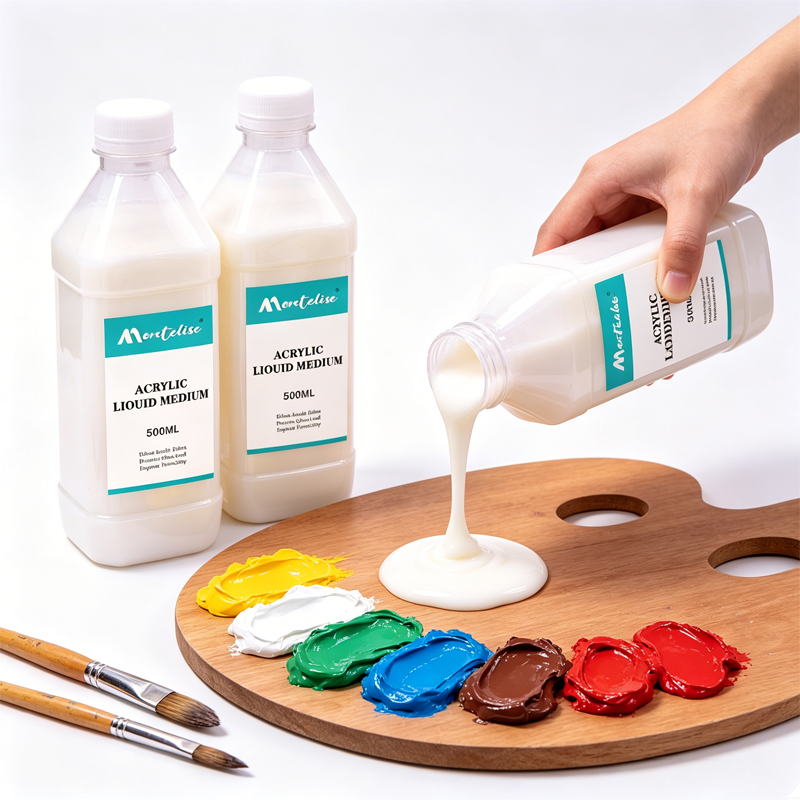 Acrylic Liquid Medium
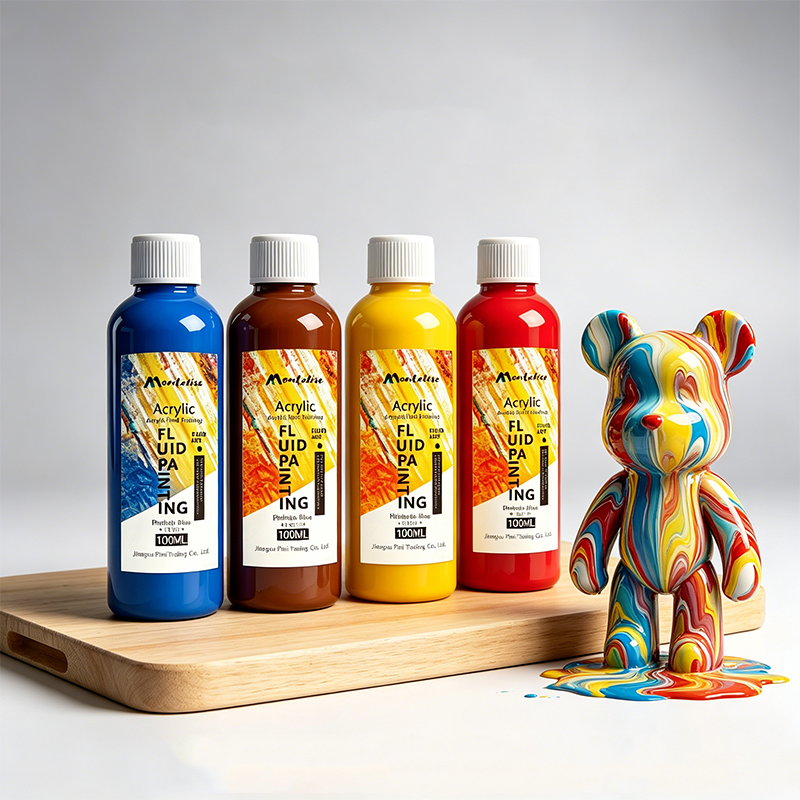 Fluid Acrylic Paint
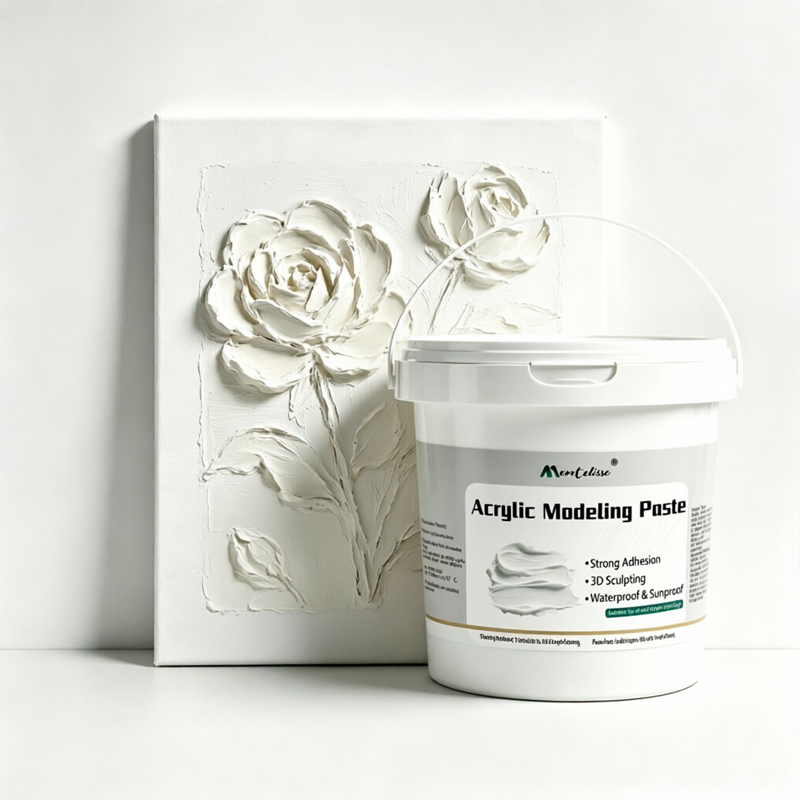 3D Acrylic Modeling Paste