Choosing acrylic paint is easier when you start with the project instead of the color aisle. A beginner does not need every paint format on day one. You need paint that fits the surface, gives reliable coverage, and makes it simple to practice without wasting supplies.
Start with the surface
Acrylic paint is popular because it works on many creative surfaces. Canvas and canvas boards are the most common starting point, but acrylic can also be used on paper, craft wood, cardboard, mixed media panels, and many decorative projects. Smooth surfaces usually need less paint. Rough or absorbent surfaces may need more coverage or a prepared base.
For a first kit, choose a versatile everyday acrylic from the Acrylic Paint category or a coordinated set such as the 24 Color Acrylic Paint Tube Set. Sets help beginners test color mixing before committing to large bottles or specialty finishes.
Pick a useful color range
Beginners should look for primary colors, black, white, earth tones, and a few bright accent colors. White is especially important because it helps lighten colors, build tints, and correct small mistakes. A larger color set is helpful for classrooms, family art nights, and hobby painters who want variety without buying colors one by one.
Think about finish and opacity
Standard acrylic is a good all-purpose choice. Metallic, pearl, glow, and effect paints are better as accent colors. If your project needs shimmer or decorative detail, browse Specialty Paint after choosing your core colors. For walls or large panels, look at Wall Mural Paint because larger formats make more sense than small tubes.
Choose the right size
Small tubes are good for learning, color studies, cards, and sketchbook work. Bottles and jars are better for repeated use, classroom tables, crafts, and larger paintings. Bulk or larger sizes reduce the risk of running out mid-project, which matters for murals, decor projects, and group activities.
Beginner buying checklist
- Choose the surface first: canvas, paper, wood, wall, or craft object.
- Buy white, black, primary colors, and a few favorite accents.
- Use starter kits when you need a simple gift or classroom setup.
- Use larger formats for murals or repeated studio work.
- Test paint on a small area before starting a final piece.
FAQ
Is acrylic paint good for beginners?
Yes. Acrylic is beginner-friendly because it dries relatively fast, works on many surfaces, and can be layered once dry.
Should beginners buy tubes or bottles?
Tubes are convenient for color practice and small paintings. Bottles or jars are better for crafts, classrooms, and larger surfaces.
What should I buy first?
Start with a balanced color set, a few brushes, a surface to paint on, and extra white paint for mixing.
Common beginner mistakes to avoid
Many beginners buy only favorite colors and forget practical mixing colors. White, black, warm neutrals, and a few primary colors make the whole set more useful. Another common mistake is choosing paint before choosing the surface. A wall, canvas, craft wood piece, and classroom poster do not need the same amount or format of paint.
It also helps to keep one small test card for every project. Paint a swatch, write the color name or code, and note the surface. This habit makes future reorders and color matching much easier.
Recommended next step
Source 24 Color Acrylic Paint Tube Set from Montelise Art
Explore the related product line, compare formats, or send your OEM and bulk order requirements.
Related product lines
Need samples, private label packaging, or bulk pricing?
Send your target market, quantity, color range, and packaging requirements. Montelise Art can recommend matching acrylic paint, medium, texture, or classroom product lines.
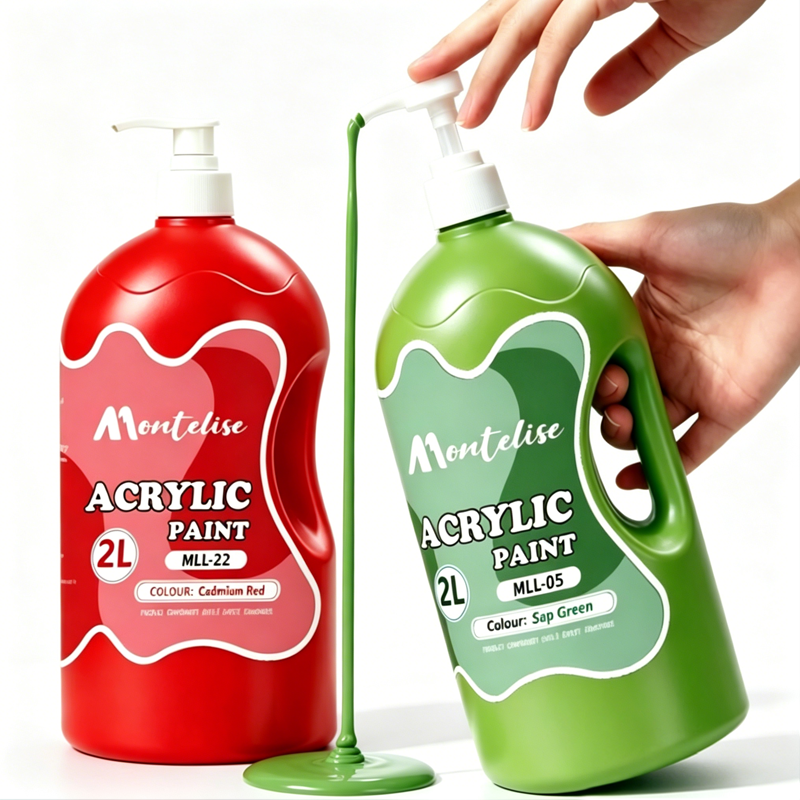 Bottled Acrylic Paint
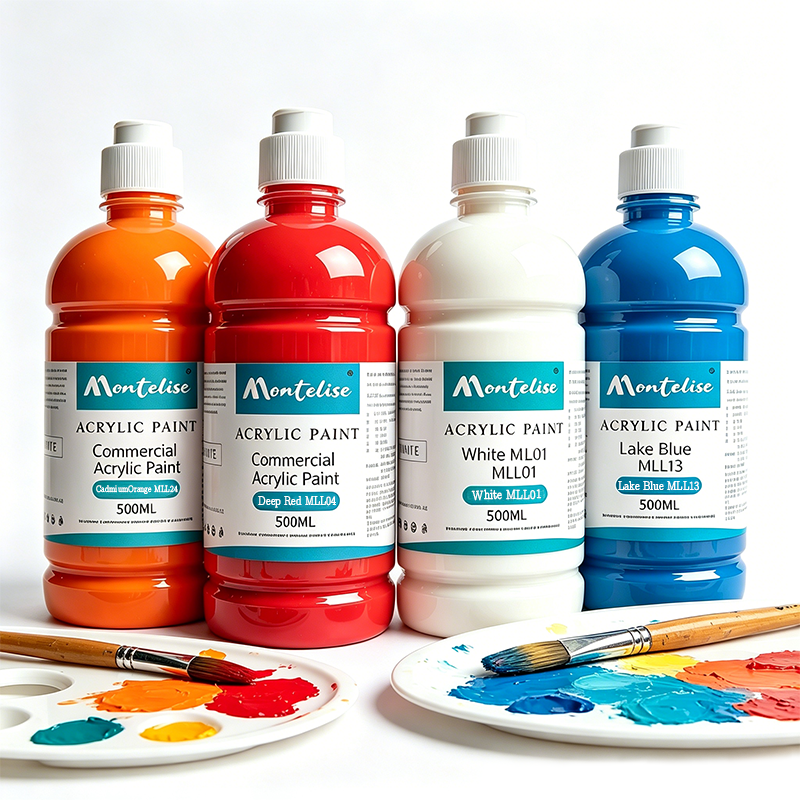 500ML Acrylic Paint Jars